Hindu Bride Red Lehenga Portrait AI Prompts
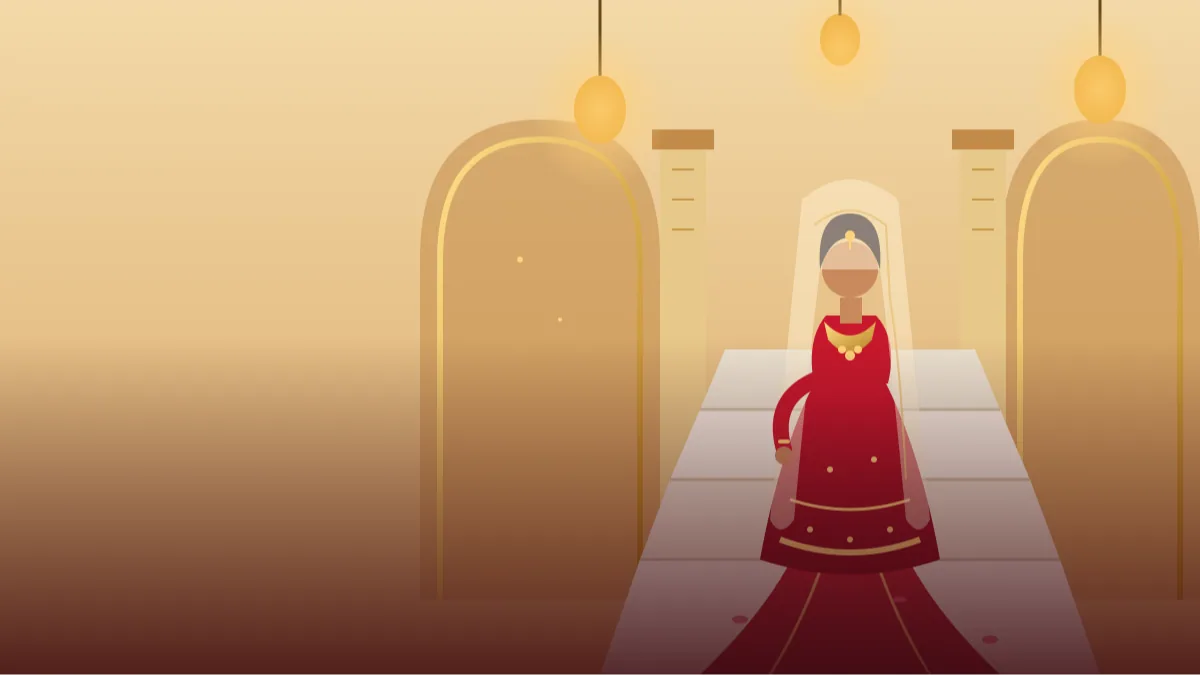 AI PHOTO PROMPTSHINDU BRIDE RED LEHENGA8 COPY-PASTE PROMPTS
Red is the colour most of us picture when we think of a bride. Deep, rich, a little bit glowing under evening lights. But getting that exact picture is not always easy, because the real lehenga is heavy, the hall is crowded and the photographer has forty other things to shoot. A good hindu bride red lehenga prompt lets you create a calm, polished portrait from your own photo, and then use it for an album page, an invite or just a lovely keepsake.
All the prompts here ask you to attach your own picture and keep your face unchanged. We describe the lehenga, the dupatta, the jewellery and the light in clear words, so the AI does not have to guess. The mood is traditional, graceful and modest, with simple poses that suit every family.
A small reminder. Bridal dress, jewellery and rituals are different in every region and every home, so change the words to match what you will actually wear. And since AI is not perfect, expect to retry once or twice and fix small details like bangles or dupatta folds.
- Copy-Paste Prompts
- From selfie to bridal portrait: using a hindu bride red lehenga prompt
- Styling a hindu bride red lehenga prompt so the outfit looks real
- Best light and location for a bridal portrait prompt for gemini
- Why the jewellery piles up and the face gets lost
- Where to use a hindu bride red lehenga prompt result: albums, invites, captions
- Checking jewellery, dupatta and hands in the finished portrait
- A worked example: adapting the haveli window prompt to your own wedding
- What AI cannot know about your wedding
- FAQs
Copy-Paste Prompts: Hindu Bride Red Lehenga Prompt (8 Ready Ideas)
1. Classic Red and Gold Close-Up
SUBJECT: my attached photo, adult bride, face unchanged.
OUTFIT: deep red velvet lehenga with heavy gold zari work, red net dupatta over the head, sindoor, maang tikka, small nath.
SETTING: plain warm cream backdrop.
POSE: head slightly tilted, calm gentle smile, eyes to camera.
LIGHT: soft window light from the left.
CAMERA: 85mm, chest-up, f/2.
AVOID: heavy filters, extra jewellery, text.
A plain backdrop keeps the attention on the jewellery. Ask for 'natural skin texture' if the face looks too smooth.
2. Palace Staircase Full Length
SUBJECT: my attached photo, bride, face unchanged.
OUTFIT: bright red bridal lehenga with a long trail, gold embroidery, ivory and gold dupatta, layered kundan necklace.
SETTING: a marble palace staircase with carved pillars and warm lanterns.
POSE: standing one step up, holding the lehenga edge lightly, looking at the camera.
LIGHT: golden evening light.
CAMERA: 35mm, full body, low angle.
AVOID: crowds, bent stairs, distorted feet.
Full-length shots show off the flare of the skirt. If feet look odd, switch to a three-quarter crop.
3. Mehndi Hands and Bangles Detail
SUBJECT: my attached photo, bride seated, face unchanged and softly visible behind.
OUTFIT: red lehenga, red and gold chooda-style bangles, fresh mehndi on both hands, ring and bracelet.
SETTING: a wooden table with marigold petals and a brass plate of rose petals.
POSE: hands gently folded in the front, in focus.
LIGHT: warm side light.
CAMERA: 100mm macro-style, shallow depth of field.
AVOID: extra fingers, merged bangles, text.
Hands are tricky. Ask for 'five fingers on each hand' and retry once if the mehndi lines blur.
4. Dupatta Veil Candid Smile
SUBJECT: my attached photo, bride, face unchanged.
OUTFIT: crimson lehenga, sheer red dupatta lifted slightly by the breeze, simple gold earrings, borla on the forehead.
SETTING: an open courtyard at golden hour, blurred marigold garlands behind.
POSE: laughing softly and looking down, a natural candid moment.
LIGHT: backlit sunset glow.
CAMERA: 85mm, f/1.8, close portrait.
STYLE: documentary and warm.
AVOID: stiff pose, harsh shadows.
Wind in the dupatta adds life. Soften 'lifted by breeze' if the cloth starts covering the face.
5. Sitting by a Carved Window
SUBJECT: my attached photo, bride, face unchanged.
OUTFIT: maroon and gold lehenga with mirror work, long pearl and gold haar, delicate bindi.
SETTING: a heritage haveli, bride seated on a cushioned window ledge beside a carved jharokha.
POSE: side profile first, then turning her head toward the camera.
LIGHT: soft cool daylight with warm fill.
CAMERA: 50mm, three-quarter frame.
STYLE: calm, editorial, rich colour.
AVOID: modern objects, blur.
Window light is flattering and easy to describe. Name the ledge and cushion so the AI does not invent odd furniture.
6. Garden Evening Bride
SUBJECT: my attached photo, bride, face unchanged.
OUTFIT: red lehenga with a floral border, light green dupatta, fresh jasmine in the hair, simple gold jewellery.
SETTING: a garden with white flowers and soft string lights as dusk begins.
POSE: standing with hands in front, graceful posture, small smile.
LIGHT: blue-hour sky with warm fairy-light bokeh.
CAMERA: 70mm, waist-up, f/2.
AVOID: harsh flash, extra people.
Fresh flowers in the hair give a softer, less heavy look. Good for a pre-wedding frame.
7. Vintage Film Bridal Frame
SUBJECT: my attached photo, bride, face unchanged.
OUTFIT: traditional red banarasi lehenga with a wide gold border, long dupatta, temple jewellery and a gajra.
SETTING: an old stone doorway with a brass lamp on the side.
POSE: standing straight, a calm and proud look.
LIGHT: warm tungsten tone, gentle shadows.
CAMERA: 50mm, medium shot.
STYLE: slight film grain, faded warm colours, timeless.
AVOID: neon colours, text.
A film look is good for a nostalgic album page. Lower the 'grain' request if the skin looks rough.
8. Bride With Family Heirloom Feel
SUBJECT: my attached photo, bride, face unchanged.
OUTFIT: red and gold silk lehenga, an old-style gold choker, jhumkas, a patterned red dupatta pinned neatly.
SETTING: a quiet room with a carved wooden almirah, soft brass tones and fresh marigold in a bowl.
POSE: seated, hands in her lap, a thoughtful smile.
LIGHT: soft lamp light.
CAMERA: 60mm, medium close-up.
AVOID: crowded decor, extra jewellery, text.
This one has a quieter, more personal mood. Change the jewellery words to match your own family pieces.
From selfie to bridal portrait: using a hindu bride red lehenga prompt
Start with a good source photo for your hindu bride red lehenga prompt. Choose one where your face is clear, evenly lit and looking at the camera, without sunglasses or heavy filters. A simple selfie by a window often works better than an old festival photo in dim light.
Then open Gemini or ChatGPT, attach the photo and paste the whole prompt. Check the first image for the face, the hands and the jewellery. If one thing is wrong, ask for just that change, for example 'keep everything but make the dupatta lighter'. Saving the best version and trying another prompt from the list is the quickest way to build a small album.
Styling a hindu bride red lehenga prompt so the outfit looks real
The word red alone gives a flat result. For a red lehenga photo edit prompt, say crimson, brick red, maroon or bright vermilion, and mention the fabric: velvet, silk, banarasi or net. Each of these catches the light differently, and the AI picks up on it quickly.
Gold work should also be named, such as zari, gota patti or mirror work. And remember the dupatta, because a contrast piece in ivory, light green or the same red changes the whole photo. For a red bridal lehenga ai photo, keep the jewellery in one family of metal and stone so the look feels planned, not crowded.
Best light and location for a bridal portrait prompt for gemini
A bridal portrait prompt for gemini reads well when light is the second thing you describe. Soft window light is gentle on skin, golden hour makes gold jewellery glow, and lamp light gives a warm, old-world feeling. Avoid asking for harsh midday sun, because it flattens red fabric.
For location, think of simple backdrops: a haveli window, a garden at dusk, a courtyard with marigolds or a plain studio wall. The more crowded the place, the more risk of strange faces and objects appearing behind you. If you want a mandap-style look, ask for marigold garlands and flowers as decor only, with no figures in the background.
Why the jewellery piles up and the face gets lost
When people try an indian bride photo prompt chatgpt, the biggest mistake is a very long list of jewellery. The AI then piles on everything and the face gets lost. Pick four or five pieces for the bridal jewellery ai portrait, say maang tikka, necklace, earrings, bangles and nath, and stop there.
The second mistake is forgetting the avoid line. Adding 'no text, no extra people, no distorted hands' saves a lot of retries. And if your face changes, repeat the faces-unchanged line at the start, and upload a sharper photo.
Where to use a hindu bride red lehenga prompt result: albums, invites, captions
A hindu bride red lehenga prompt result can become an engagement-story cover, a family-group profile picture or a framed print. It also works as a mood board you show your designer or makeup artist, so they see the red, the dupatta drape and the jewellery balance you like.
Mention that the image is AI-made if you share it widely. Simple captions like 'Red, gold and a happy heart', 'Ready for the big day' or 'My wedding, my way' feel warm and honest. Keep family members out of the frame unless they have said yes.
Checking jewellery, dupatta and hands in the finished portrait
Bridal pictures carry a lot of small detail, and AI tends to get lazy at exactly those places. After each result, go through four checkpoints. First, the dupatta: does it fall from the head over the shoulder in a believable fold, or does it float or merge into the hair? Second, the maang tikka: it should sit at the parting, in the centre, hanging down to the forehead. Third, the necklace: layered pieces should each have their own chain, not melt into one gold blob. Fourth, the earrings: both should match.
Hands deserve extra time. In the mehndi detail prompt, count the fingers on each hand, check that the bangles are separate rings and not a smear, and look at the mehndi pattern. A good result shows a clear, repeating design with a darker tone on the palm. If the pattern looks like random scribbles, add 'a simple floral mehndi design, clearly drawn, no text'.
Red itself can go wrong. If the lehenga looks orange, add 'deep crimson, slightly cool red, not orange'. If it looks flat, name a fabric such as velvet or banarasi silk, so the AI paints folds and highlights. A bride's face should stay lighter in value than the dark red cloth around it, so ask for 'soft light on the face, red fabric slightly darker'.
A worked example: adapting the haveli window prompt to your own wedding
Every family has its own style, and the prompt is only a starting point. Suppose you are from a Marathi family and plan to wear a nauvari-inspired look, or from a Bengali family planning a red and white combination. Take 'Sitting by a Carved Window' and replace the outfit line with your real details: 'red and cream Banarasi saree with a wide gold border, a traditional shakha and pola, a simple gold necklace' or 'nine-yard saree in deep maroon with a green border, nath and a traditional hairstyle'.
Next, change the location to match your story: a courtyard with a tulsi vrindavan in the background, a plain wooden verandah, or a family home doorway. Keep shrines and sacred objects as quiet background details, never as a depicted figure. Ask for 'no deity images, no idols'.
Finally, ask for a modest, peaceful pose. 'Seated, hands folded in her lap, a gentle smile' is enough. If you want your own family jewellery to show, write exactly which two pieces to keep and ask Gemini to avoid adding any others. A small, accurate set of jewellery looks richer than twenty random pieces.
What AI cannot know about your wedding
AI does not know your community's rituals, regional jewellery names or the meaning of each piece. It guesses from pictures it has seen, so it can mix details from different traditions in one frame. Always check the result with someone in your family who knows the customs, and be ready to remove an item that looks wrong or disrespectful.
Please also treat these images as keepsakes, not as proof of anything. They should not replace your photographer, and they should not be used for official documents. If you plan to share them, ask your partner and family first, and let people know they are AI-styled.
Frequently Asked Questions
Will the AI keep my face the same?
Usually close, but not always exact. Attach a clear front-facing photo, repeat that the face must stay unchanged and retry if the likeness drifts. Small differences are normal.
Can I use this hindu bride red lehenga prompt for a Muslim or Christian bride?
The prompts are written for Hindu bridal styling, so some words like sindoor or maang tikka may not suit you. Change the outfit and jewellery lines to match your own tradition and keep the same camera and light details.
Why does my lehenga look orange or dull?
Colour names matter. Ask for crimson or deep red and add 'rich saturated colour'. Also avoid yellow warm light in the prompt, as it can push red towards orange.
Can I make a solo bride portrait ai prompt look less heavy?
Yes. Reduce the jewellery list, choose a lighter dupatta and ask for natural makeup. A solo bride portrait ai prompt with fresh flowers instead of a heavy necklace often feels softer.
Is it okay to share these images online?
For your own photo, yes, but say it is AI-edited and avoid using anyone else's face without permission.
Final Thoughts
A red lehenga is already beautiful. The prompts only help you capture that feeling with the right light, the right details and a calm frame. Start with the classic close-up, then try the palace staircase or the window ledge, and see which hindu bride red lehenga prompt feels most like you.
When you are happy with one, save it, share it kindly and let your family look at it before the whole world does. If you want a gentler, more everyday pastel look for the engagement or haldi, browse the pastel saree portrait prompts on Tech Boi Prompt.
Note: AI image and text results vary by tool, version and settings. Use only your own photos, avoid copying real people’s likeness, and follow the terms of the AI tool you use.