ChatGPT 3D Miniature Figure Prompts
 CHATGPT PROMPTS3D MINIATURE FIGURE8 COPY-PASTE PROMPTS
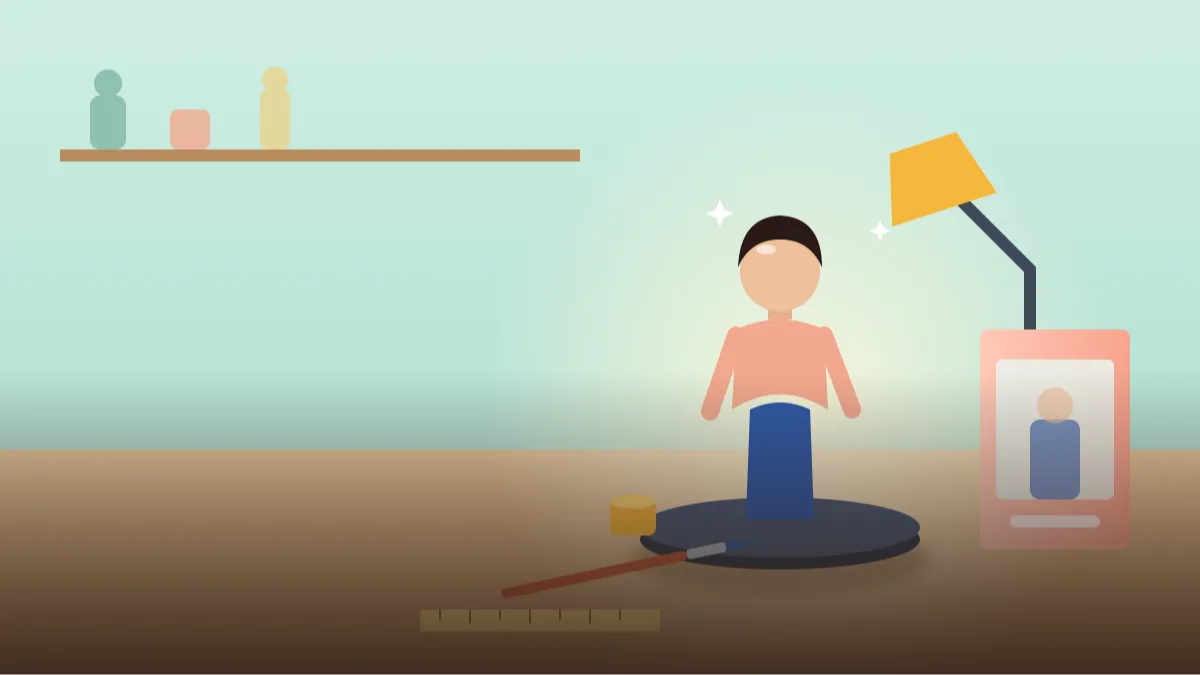
The tiny collectible figure trend is hard to resist. You upload a selfie and get a cute toy version of yourself standing on a desk, sometimes with a little box beside it. A good 3d miniature prompt controls the material, the base, the props and the camera so the result looks like a real photographed object.
Always attach your own photo and say which details to keep: hairstyle, clothing colours, glasses. Keep the packaging plain and free of brand names too.
Each run is different, so take your time and regenerate until proportions and face feel right.
- Copy-Paste Prompts
- Full-body or half-body photo? Setting up a 3d miniature prompt
- Macro lens, one material, tiny flaws: borrowing toy-photography habits
- Why does my figurine look like a melted blob with a garbled box?
- Gift cards, stickers and 'tiny me' posts: what to do with the result
- Reading the figurine: what to check before you save it
- Scale, depth and camera: why macro words change everything
- Material swaps with one changed line
- Where a 3d miniature prompt picture fits in real life
- FAQs
Copy-Paste Prompts: 3D Miniature Prompt (8 Ready Ideas)
1. Classic desk figurine
Turn the attached photo of me into a 1:7 scale collectible figurine photographed on a desk.
LIKENESS: Keep my face, hairstyle and outfit colours recognisable.
MATERIAL: Glossy painted PVC, tiny visible seam lines.
BASE: Round black base with no text.
SETTING: Wooden desk, laptop blurred behind.
CAMERA: Macro lens, shallow depth of field, soft window light.
AVOID: Logos, readable text.
The 'seam lines' and 'macro lens' details make it feel like a real toy photo.
2. Boxed collector edition
Show a collectible figure of me from the attached photo beside its clear-window cardboard box.
BOX: Plain pastel [COLOUR] with an empty label area and no brand names.
FIGURE: Keep my face, hair and outfit; standing on a small base.
PROPS: One small prop that fits my hobby: [PROP].
LIGHT: Studio softbox on a light grey table.
AVOID: Fake logos, text, other people.
Leave the label blank. You can add your own name later in an editor.
3. Chibi blind box toy
Make a cute chibi vinyl blind-box toy based on the attached photo of me.
PROPORTIONS: Big head, small body, short limbs.
KEEP: Hair colour, skin tone, glasses and outfit colours.
FINISH: Smooth matte with a subtle sheen.
BACKGROUND: Soft pastel gradient with tiny sparkles.
CAMERA: Product photography, centred.
AVOID: Text, logos, scary expression.
Great for profile images. 'Matte vinyl' gives a calmer, more realistic toy look.
4. Hobby diorama scene
Create a miniature diorama based on the attached photo: a tiny figure of me doing my hobby, [HOBBY], inside a transparent display cube.
KEEP: My face, hairstyle and clothes recognisable.
DETAIL: Tiny hand-painted props, grass tufts, small tools.
LIGHT: Warm spotlight, dark blurred background.
CAMERA: Tilt-shift effect.
AVOID: Text, brands, giant props.
The tilt-shift line sells the 'tiny world' illusion.
5. Clay animation style
Turn the attached photo into a stop-motion clay figure of me.
MATERIAL: Soft plasticine with visible fingerprints and small imperfections.
KEEP: Face shape, hair colour, glasses and outfit.
SETTING: Cardboard-built set, painted paper backdrop.
LIGHT: Warm, slightly harsh studio lamp.
CAMERA: Eye level, shallow depth of field.
AVOID: Plastic gloss, text, existing characters.
Fingerprint texture is a small detail that makes clay look real.
6. Wooden carved miniature
Show a hand-carved wooden miniature of me, based on the attached photo, on a workbench.
MATERIAL: Light walnut wood with visible grain and carving marks.
KEEP: Hairstyle, face shape and simple outfit shape.
SETTING: Wood shavings, a small chisel, warm lamp.
CAMERA: Close macro, soft focus background.
AVOID: Paint, text, logos.
Natural materials look good with simple outfits. Complex patterns may blur.
7. Tiny me on a keyboard
Create a photo of a 5 cm tall toy version of me from the attached picture standing on a mechanical keyboard.
KEEP: My face, hair and outfit colours.
SCALE: Keys appear huge compared with the figure.
LIGHT: Soft desk lamp, bokeh from screen lights.
CAMERA: Macro, low angle.
AVOID: Readable key labels, brands, text.
Scale contrast is the charm. Mention 'keys appear huge' for the right effect.
8. Festival themed figurine
Turn the attached photo into a miniature figurine of me dressed for [FESTIVAL].
OUTFIT: Keep the colours of my outfit, adding simple festive details.
BASE: Small round base decorated with petals and tiny lamps.
BACKGROUND: Warm blurred lights.
MATERIAL: Painted resin, subtle gloss.
CAMERA: Macro, soft light.
AVOID: Religious symbols as props, text, logos.
Keep decorations simple. Too many details can distort the face.
Full-body or half-body photo? Setting up a 3d miniature prompt
Attach a full-body or half-body photo with clear outfit colours. Paste the prompt, fill brackets and send. Full-body photos let ChatGPT copy proportions and clothes more accurately.
If the face is not right, reply 'closer to my real face, same figurine setup' instead of starting again.
Take the source photo against a plain wall, standing straight with arms slightly away from the body. If you wear a bright kurta or a hoodie, that colour will carry straight into the figure, so choose the outfit you want to see on the toy. Skip big logos on your shirt, since they turn into random shapes on a tiny chest. And if you wear glasses or a cap in everyday life, keep them on in the photo so the figure looks like you and not like a generic toy.
Macro lens, one material, tiny flaws: borrowing toy-photography habits
Real toy photography uses small cameras and soft light. You can borrow those words. Collectors photograph a toy on a desk with one lamp, a white sheet behind it and a phone or small camera very close. That is why the picture has a soft background and a thin sharp zone. Imperfections such as a tiny scuff on the base or a slight sheen difference on the shoes are what make the result believable, so do not ask for 'perfect' or 'flawless'.
- Say macro lens and shallow depth of field.
- Pick one material: PVC, clay, wood or resin.
- Add small imperfections for realism.
- Describe the base and backdrop.
- Keep text out; add names in an editor afterwards.
Why does my figurine look like a melted blob with a garbled box?
Mixing materials, such as 'glossy clay wooden vinyl', creates a muddle. Choose one. Another mistake is asking for readable packaging text, which usually comes out garbled.
If proportions look odd, state the style: realistic scale, chibi or action-figure.
Chibi means a big head on a small body, and it is the easiest style for AI because tiny hands and legs need less detail. Action-figure style needs jointed limbs and a more serious look, which is harder to keep clean. If you keep getting something in between, you probably wrote both styles in the same prompt. Choose one, regenerate, and compare.
Gift cards, stickers and 'tiny me' posts: what to do with the result
Share your 3d figurine from photo chatgpt results as 'tiny me' posts, birthday gift designs or desktop wallpapers. Always check you have permission before making figures of other people.
Ask for a plain background version so you can use it for stickers or profile images.
A birthday card is a lovely use: make a tiny figure of the person holding a cake or their favourite hobby item, and add the name yourself in a design app. For a teacher or a team lead, a small farewell card with a miniature of them on a desk with a plain mug always feels thoughtful. Keep the setup simple and avoid any real company logos or product names on the desk.
Reading the figurine: what to check before you save it
A toy photo convinces people through small physical details, so check those first. Look at the base. Real figurines stand on a disc or block with a tiny shadow under the feet; if the figure seems to float or the shadow points the wrong way, ask for 'contact shadow under the base, light from the left'. Look at the seams. Moulded PVC has faint lines along the sides of arms and legs, and a missing seam makes the figure look like a render rather than a product.
Next, the paint. Hand-painted toys have clean colour blocks but slightly different sheen on skin, hair and clothes: matte hair, satin shirt, glossy shoes. If everything shines like one piece of plastic, add 'different finish on hair, skin and clothing'. Finally, count fingers and check the shoes. Hands are small on a figurine, and AI sometimes merges them into a mitten. Ask for 'simple closed hands' if they look strange; real toys often do that anyway.
Likeness matters most for tiny me figurine prompt posts. The face on a toy should be simplified, but hair, glasses, beard and the main outfit colours must match you. If your figure looks like a stranger, shorten the prompt, repeat 'same hairstyle and glasses as the photo' and try a different source picture.
Scale, depth and camera: why macro words change everything
Most of the 'is this real?' feeling comes from the camera lines, not from the figure. Tiny objects photographed close up have a very thin area in focus. The nose of the figure is sharp, the shoulders already soften, and the background melts into round blobs of light. When you write 'macro lens, shallow depth of field, bokeh' you ask ChatGPT to copy exactly this.
Compare two versions of the keyboard prompt. In the first, you ask for a 'toy on a keyboard'. You get an evenly sharp picture where the keys look like normal size. In the second, you add 'low angle, keys towering over the figure, blurred screen lights behind'. Now the viewer feels the toy is really 5 cm tall. That one change in angle makes the picture work.
Scale words also help with miniature diorama ai prompt scenes. Mention 'tiny grass tufts', 'cotton clouds' or 'bottle-cap table' so the surroundings look handmade and out of proportion in a believable way. Tilt-shift effect is another trick: it blurs the top and bottom of the picture, so a normal scene looks like a model.
Material swaps with one changed line
The same photo can become a different object when you only change the material line. Keep the likeness and base the same, then try these.
Painted resin gives a premium collector look, with sharp small details and a slightly glossy finish. Soft felt makes a cuddly craft figure; add 'visible stitching, fuzzy edges, small button eyes' and keep the expression friendly. Paper-cut layers make a flat shadow-box scene; ask for 'layered coloured paper, soft shadows between layers, frame edge visible'. Knitted wool is lovely for winter gifts: 'chunky yarn texture, tiny loops, soft daylight'.
Avoid asking for two materials on the same body, such as 'glass body with wooden hair'. It rarely works and confuses the face. If you really want a mixed look, make the base a different material from the figure: a clay figure standing on a polished wood stand looks natural.
Where a 3d miniature prompt picture fits in real life
Phone wallpapers, desk-setup photos, birthday cards and WhatsApp stickers are the easy uses. A square crop of the boxed collector edition looks good as a profile picture. For a gift, you can print the picture and frame it next to a real desk plant; people enjoy seeing the digital toy beside the real room.
Remember the limits. These are pictures, not files for a 3D printer, and ChatGPT will not give you correct dimensions or a printable model. If you want a physical figure later, speak to a local 3D printing or toy-making studio and show them the picture only as a mood reference.
Respect other people. Make figures of friends or family only when they agree, and never use someone else's photo for a joke they would not like. Keep packaging text empty or blank, and add your name later in a simple editor if you want it.
Frequently Asked Questions
Is a 3D miniature prompt real 3D modelling?
No. The result is a picture that looks like a toy. If you want a printable 3D file you need a dedicated 3D modelling tool.
Which photo works best?
A clear full-body shot in good light with the outfit visible. Avoid heavy filters or cropped limbs.
Why does the face change?
Stylised proportions affect likeness. Mention hair, glasses and skin tone, and ask to stay close to your real face.
Can I add my name on the box?
AI often misspells text. Leave a blank label and add the name in an editing app.
Can I make a figure of a friend?
Only with their permission. Do not use photos of private people without consent.
Final Thoughts
A well-built 3d miniature prompt treats your picture like a real toy photo: one material, a simple base, soft macro light and no text. Start with the classic desk figurine and check the shadow under the feet.
Once that works, try the clay or wooden versions, or make a tiny festival figure for a family card. If you like object-style edits, vintage and film-style portrait ideas on Tech Boi Prompt are a fun contrast.
Note: AI image and text results vary by tool, version and settings. Use only your own photos, avoid copying real people’s likeness, and follow the terms of the AI tool you use.