AI Clay Art Style Portrait Prompts
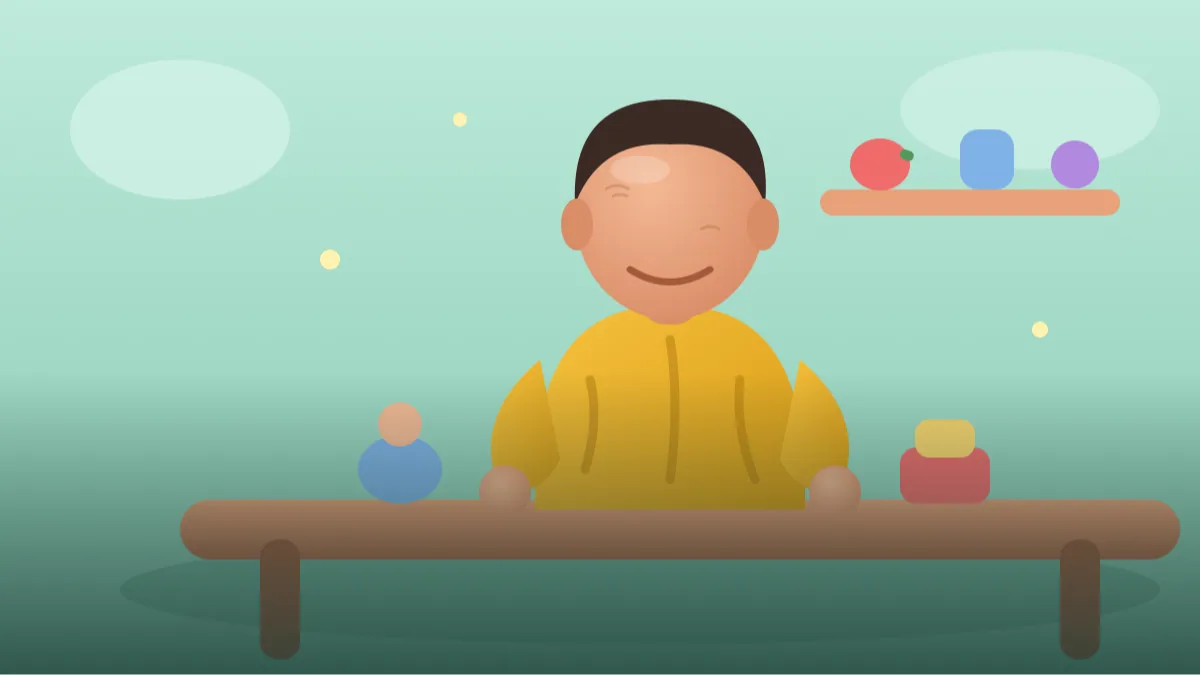 AI PHOTO PROMPTSAI CLAY ART STYLE8 COPY-PASTE PROMPTS
There is something comforting about clay figures. Slightly lumpy, brightly coloured, with tiny fingerprints still visible on the surface. A well-written clay art portrait prompt gives your own photo that same hand-sculpted look, as if a patient artist moulded you out of plasticine for a stop-motion film.
The secret is texture. If you only say 'clay style', many tools produce a smooth 3D cartoon that looks like plastic. We want the opposite: matte surface, soft rounded forms, small imperfections and a bit of studio lighting. So each prompt below asks for fingerprints, seams and a handmade feel.
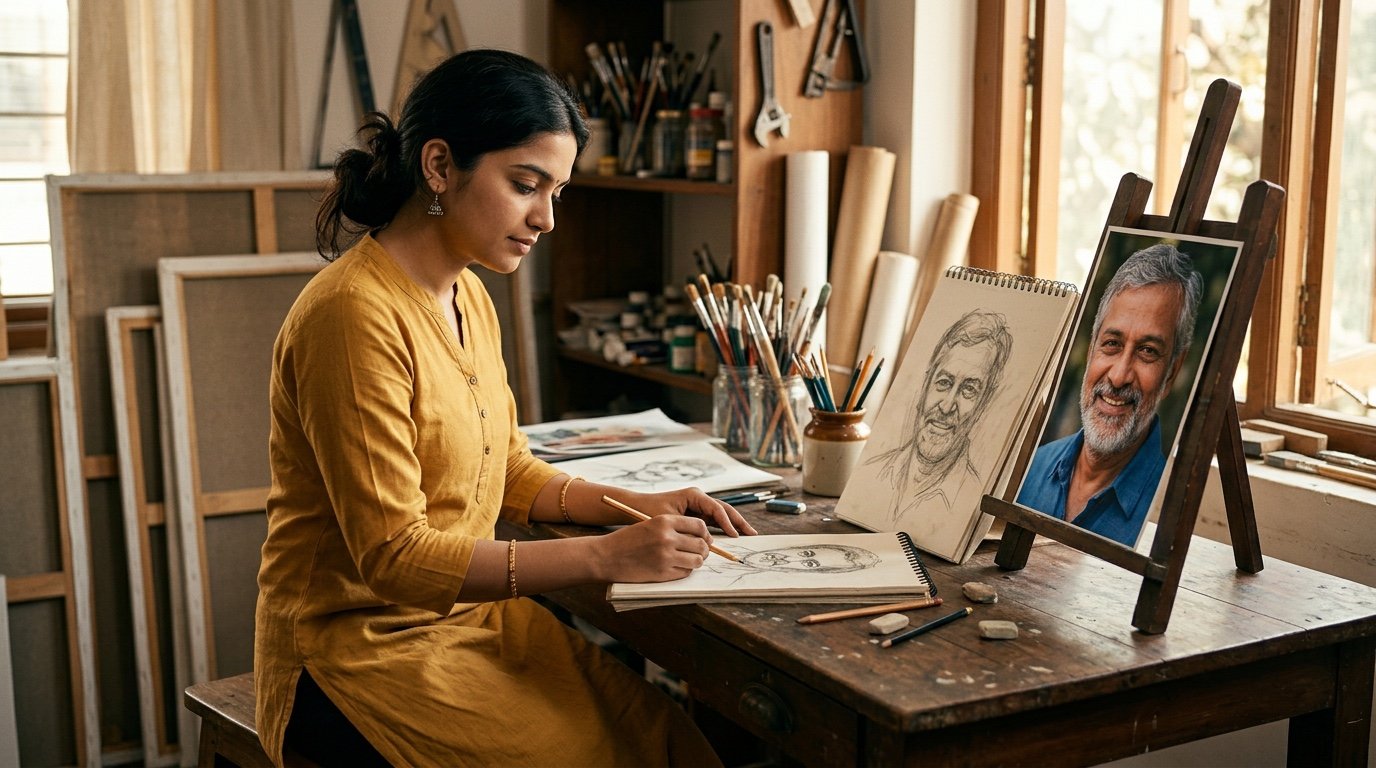
Attach your own photo and request that the face stays recognisable in clay form: the same hairstyle, glasses, beard or smile. The result will be stylised, of course, so expect a cute version of you. If the first try looks too generic, retry with one extra detail about your hair or clothes.
- Copy-Paste Prompts
- From photo to clay figure: your first clay art portrait prompt
- What makes a clay art portrait prompt look handmade
- Face and likeness tips for a plasticine style AI portrait
- Glossy plastic, video-game faces and smooth backgrounds
- Which AI tool to pick for a stop motion clay character prompt
- Where a clay figure of you can live
- Checking surface, scale and lighting in a clay art portrait prompt result
- A worked example: changing the tea stall into a bookshop
- FAQs
Copy-Paste Prompts: Clay Art Portrait Prompt (8 Ready Ideas)
1. Classic Plasticine Portrait
SUBJECT: Use my attached photo and make a clay figure of me with the same hairstyle, face shape and expression, simplified into rounded handmade forms.
OUTFIT: Mustard yellow sweater with visible clay folds.
SETTING: Plain pastel mint backdrop, small clay table in front.
LIGHT: Soft studio light, gentle shadows beneath the figure.
CAMERA: Chest-up, slightly above eye level, shallow depth of field.
STYLE: Plasticine clay art, visible fingerprints, matte surface, tiny imperfections.
AVOID: Glossy plastic shine, photorealism, text, sharp edges.
The baseline. Once you like the body style, change the outfit and backdrop colours.
2. Stop Motion Character Studio
SUBJECT: Use my attached photo and make a stop motion clay puppet of me, recognisable hair and face, standing on a small set.
OUTFIT: Red hoodie and jeans modelled from clay.
SETTING: Miniature room with clay sofa, tiny lamp and a bookshelf, all handmade.
LIGHT: Warm set lighting, subtle shadows, tiny dust specks.
CAMERA: Low angle, wide-lens feel as if on a film set.
STYLE: Claymation look, slightly lumpy forms, fingerprints on the surface.
AVOID: Smooth CGI finish, brand logos, text, copying any existing film character.
Mention 'handmade set' to get the miniature charm. The avoid line keeps it original.
3. Chai Stall Clay Scene
SUBJECT: Use my attached photo and make a clay version of me standing behind a small tea stall counter, smiling and pouring tea.
OUTFIT: Checked shirt and apron made of soft clay.
SETTING: Tiny roadside stall with steel kettle, glass cups, a string of lights, all modelled from clay.
LIGHT: Warm evening glow from the hanging bulbs.
CAMERA: Eye-level medium shot, shallow depth of field.
STYLE: Handmade clay art with fingerprint textures, bright colours, soft shapes.
AVOID: Real photograph look, readable signs, text, smoke.
Local, everyday scenes feel relatable. Replace the tea stall with a bookshop or garage.
4. Clay Cricket Hero Moment
SUBJECT: Use my attached photo to make a clay figure of me swinging a bat, same hairstyle and face shape.
OUTFIT: Plain white sports clothes without logos, modelled in clay.
SETTING: Tiny clay cricket pitch with wooden stumps, green felt-like grass, a cheering crowd of small clay blobs.
LIGHT: Bright daylight, soft shadows.
CAMERA: Low angle action shot, slight motion tilt.
STYLE: Claymation style, handmade textures, matte colours.
AVOID: Team names, jersey numbers, brand logos, glossy plastic, text.
Keep the clothes plain and logo-free so the image stays original and shareable.
5. Clay Garden Gardener
SUBJECT: Use my attached photo and make a cute clay figure of me watering plants, face recognisable in rounded form.
OUTFIT: Straw hat, green overalls, small clay boots.
SETTING: Tiny garden with clay tomato plants, sunflowers and a watering can, picket fence behind.
LIGHT: Bright sunny day, soft clean shadows.
CAMERA: Three-quarter view, centred, shallow depth.
STYLE: Plasticine art, fingerprints, soft rounded leaves, matte colours.
AVOID: Photorealism, glossy shine, text, insects on the face.
Garden scenes allow plenty of bright colours, which clay suits perfectly.
6. Festival Family Clay Figure
SUBJECT: Use my attached photo and make a clay figure of me, recognisable hair and face, holding a small oil lamp.
OUTFIT: Modest festive kurta in teal with simple gold clay trim.
SETTING: Clay doorway with a tiny rangoli made of coloured clay dots and marigold flowers.
LIGHT: Warm lamp glow with soft ambient light.
CAMERA: Chest-up, slightly low angle.
STYLE: Handmade clay art, visible fingerprints, soft shapes, vibrant but matte colours.
AVOID: Religious figures, real fire close to clothing, text, glossy finish.
Festive clay art makes a nice greeting image. Add a second figure only if you upload that person's photo with permission.
7. Clay Workspace Creator
SUBJECT: Use my attached photo and make a clay figure of me sitting at a desk, typing on a tiny laptop, same hairstyle and glasses if any.
OUTFIT: Grey t-shirt and headphones around the neck.
SETTING: Handmade clay desk with a mug, a plant, sticky notes and a lamp.
LIGHT: Cool screen glow mixed with a warm desk lamp.
CAMERA: Eye-level three-quarter shot, shallow depth of field.
STYLE: Stop motion clay look, matte surfaces, small fingerprints.
AVOID: Brand logos on the laptop, glossy plastic, text on screen.
A lovely thing for creators and freelancers to use as a banner image.
8. Clay Mini Figurine on Shelf
SUBJECT: Use my attached photo and make a tiny handmade clay figurine of me, recognisable face and hair, standing about palm-sized.
OUTFIT: Light blue shirt and brown trousers.
SETTING: Real wooden shelf beside a small plant and a few books, photographed as a product.
LIGHT: Soft window light from the side.
CAMERA: Macro 100mm look, sharp on the figurine, background blurred.
STYLE: Real photograph of a clay figurine with fingerprints and tiny cracks.
AVOID: Cartoon background, glossy surface, text, scale confusion.
Photographing a clay model on a real shelf adds believable scale and a charming product-photo feel.
From photo to clay figure: your first clay art portrait prompt
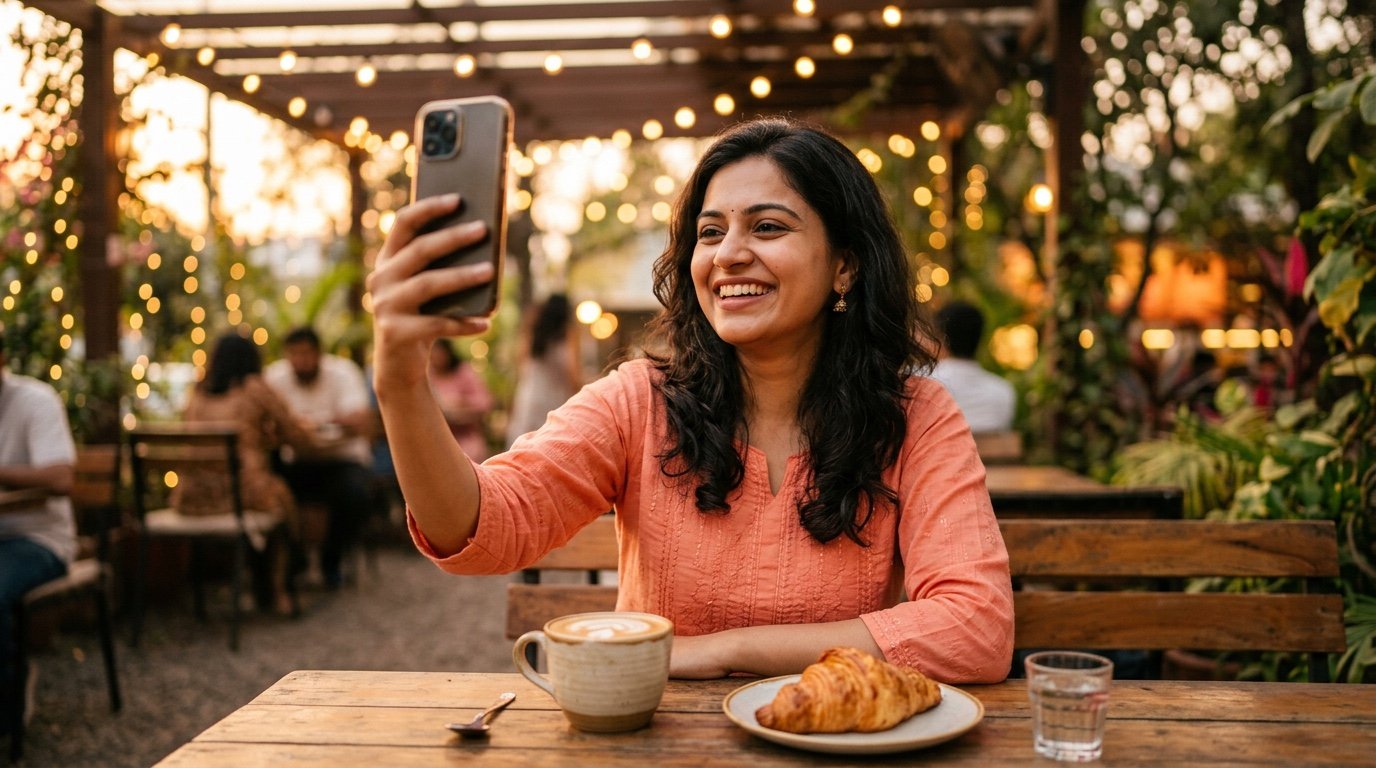
Open your favourite tool and switch on image generation. Upload one clear, front-facing photo of yourself, with the face well lit. Then paste a prompt, and read it once to check the outfit, setting and colours match what you want.
- Use a photo where your hairstyle and glasses are clear, since clay figures rely on strong silhouettes.
- Paste the prompt and change only the label lines you wish to customise.
- Look for fingerprints and matte texture in the result. If it looks glossy, add 'no shine'.
- Ask for a close-up of the face if the first image is too wide.
- Download the best version and save the prompt for future variations.
What makes a clay art portrait prompt look handmade
Clay has character because it is imperfect. The best results come from describing flaws: slightly uneven edges, small thumbprints, a tiny crack at the elbow, a stray bit of fluff. These bits of honesty tell the AI that this is a physical object, not a smooth 3D render.
Colour is the other lever. Real plasticine is bright, saturated and slightly chalky. Ask for 'matte, chalky pastel colours' and the picture suddenly feels tactile. If you want a claymation figure from my photo, add a line about studio set lighting, which is the classic stop-motion look.
Face and likeness tips for a plasticine style AI portrait
The clay style simplifies, so the main features have to be strong. A plasticine style AI portrait reads as you when the hair shape, glasses, beard and smile are right. Tell the tool these things in plain words. Something like 'short curly black hair, round glasses, light stubble' gives it a checklist.
Do not ask for realistic skin pores or tiny details; they fight the style. Instead, focus on proportions: slightly big head, small body, soft round nose. That is the charm of clay characters and it keeps the likeness cute rather than creepy.
- Mention two or three signature features only.
- Ask for 'big expressive eyes' if the face feels blank.
- Use a simple outfit colour that contrasts with the background.
- Retry two or three times; likeness varies.
Glossy plastic, video-game faces and smooth backgrounds
The first problem is glossy plastic. Fix it by adding 'matte clay, no shine, fingerprints visible'. The second is a 3D cartoon that looks like a video game character. Add 'handmade by an artist, stop motion puppet' and it moves closer to real claymation.
The third is a very smooth background. Ask for the set to be clay too: clay trees, clay furniture and clay clouds. A third-person narrator would call this 'world building', but for us it simply means every object should look moulded by hand.
Last, avoid copying known characters or brand costumes. Describe your own idea instead, which is both safer and more original.
Which AI tool to pick for a stop motion clay character prompt
For a stop motion clay character prompt, each tool tends to give a slightly different feel. A Gemini clay portrait often keeps the pose and face close to the photo, while a ChatGPT 3D clay style image may add richer lighting and props. Results vary by day and by photo, so try both, choose the one that suits the mood, and keep notes on which words worked.
If you plan to animate the picture later, keep the background simple and the figure centred. It makes life easier for any video tool you use afterwards. A plain coloured backdrop with one or two clay props is enough.
Where a clay figure of you can live
Clay portraits suit profile pictures, gift cards, kids' birthday invitations (using your own photo only), and playful brand mascots. A square crop works for Instagram and a wide crop for a YouTube banner, so leave some empty space around the figure when you generate. Printed on a mug or a sticker, the matte colours also look good.
A few caption ideas to start with:
- Made of clay, powered by chai.
- Tiny me, big plans.
- Squish me and I will still show up on time.
- Which one is your favourite scene?
Checking surface, scale and lighting in a clay art portrait prompt result
A convincing clay image is full of tiny physical clues, and you can check them in under a minute. Look at the surface first. You should see slightly dull colour, shallow thumbprints on the cheeks and clothes, and small seams where pieces of clay would join, such as at the wrists or where the hair meets the forehead. If it shines like a toy, add 'matte, no specular highlights'.
Next, scale. Clay scenes work because everything is small. Check that the furniture, plants and props are in proportion to the figure and that the depth of field is shallow, like a macro photograph of a miniature set. Real stop-motion sets also have soft shadows that fall to the same side. If the shadows point in different directions, mention 'one soft studio light from the left'.
Finally, check the face for emotional readability. Clay faces are simple, so the eyes and mouth must clearly show a feeling: a wide smile, raised eyebrows, a surprised mouth. If your figure looks blank, ask for 'bigger, rounder eyes with clear eyebrows and a simple curved smile'.
A worked example: changing the tea stall into a bookshop
Take the Chai Stall Clay Scene and adapt it for a bookshop owner, a student or anyone who loves reading. Keep the SUBJECT line. Change the SETTING to 'a tiny clay bookshop with shelves of colourful blank books, a round clay rug and a ladder'. Replace the steel kettle with 'a clay mug and a stack of books'.
Change the outfit to a cardigan with patches, and the light to 'warm lamp glow, soft shadows, cosy evening'. Add 'spines blank, no readable titles', since AI text on books looks messy. For a lovely extra detail, ask for 'a small clay cat sleeping on the counter'.
Review the picture for fingerprints and matte colour, and check that you are still recognisable. Keep the figure centred in case you want to use it as a banner. Only use your own photo, or photos of people who agreed, and avoid copying any known film character.
Frequently Asked Questions
What does a clay art portrait prompt change in my photo?
A clay art portrait prompt asks the tool to redraw you as a hand-sculpted plasticine figure: soft shapes, visible fingerprints and a matte finish. Your hair, glasses and smile are kept as signature features, but skin detail is simplified.
Why does my clay image look like glossy plastic?
The model defaults to smooth 3D. Add words like matte, chalky, fingerprints, handmade and no shine, and describe small flaws to push it toward real clay.
Can I make a whole family clay picture?
Yes, if you have everyone's permission and clear photos. Start with one person first, because likeness drops as the number of faces grows.
Will it look exactly like me?
It will look like a stylised version of you. Mention your signature features, such as hair or glasses, and retry a few times. Results vary every time.
Can I use these in a video?
You can use the images as starting frames in a video tool. Keep the background simple and the figure centred so animation is smoother.
Final Thoughts
Clay art feels warm because it looks like someone made it with their hands. A careful clay art portrait prompt brings that feeling to your own photo, with fingerprints, soft colours and just the right amount of wonky charm. Start with the classic plasticine portrait and then try the tea stall or the garden.
Keep your signature features in the first line, look for fingerprints before anything else, and try the mini figurine on a shelf if you want something that looks like a real object.
Note: AI image and text results vary by tool, version and settings. Use only your own photos, avoid copying real people’s likeness, and follow the terms of the AI tool you use.