Saat Phere Wedding Ceremony Photo AI Prompts
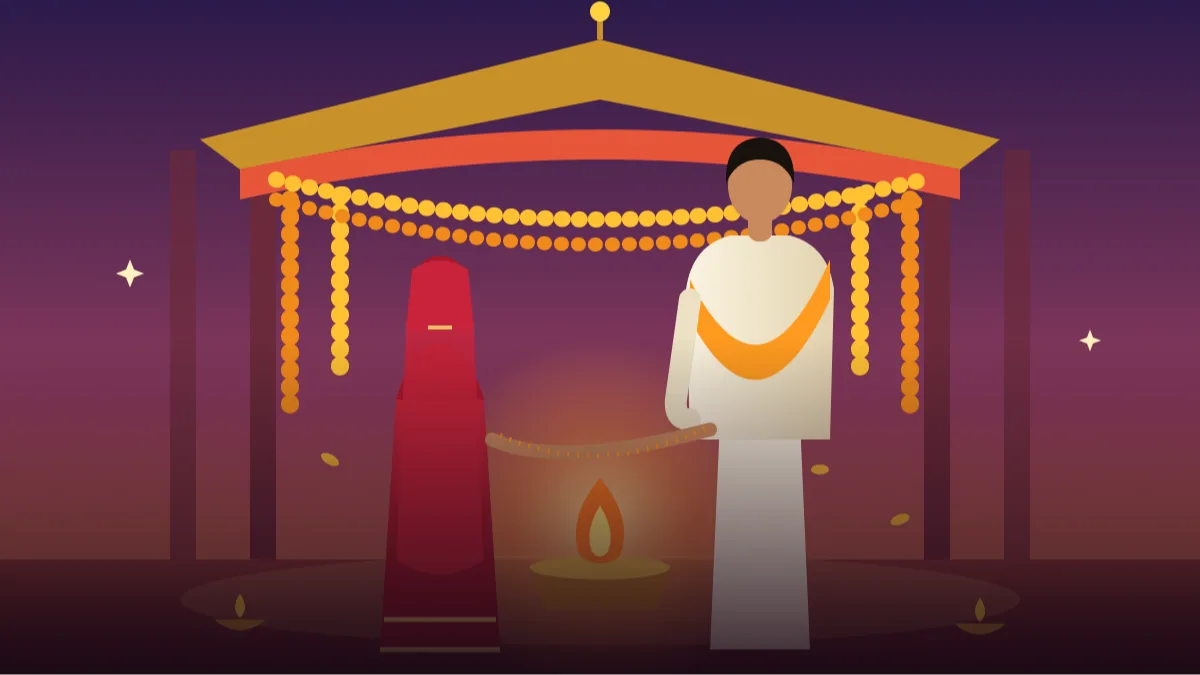 AI PHOTO PROMPTSSAAT PHERE WEDDING CEREMONY8 COPY-PASTE PROMPTS
For many families, the pheras are the moment everyone remembers most. The quiet, the flame, the couple walking together while relatives watch with full hearts. It is also the part of the wedding that is hardest to photograph well, because of smoke, low light, crowded rows and very little time to pose. A careful saat phere photo prompt can help you recreate that feeling in a calm, clean picture from your own photos.
Since this is a sacred moment for many, these prompts are written with care. You attach your own photos of the bride and the groom and ask the AI to keep faces unchanged. The scene is described only through people, fabric, flowers, lamps and light. None of them ask for deity images or religious symbols as decoration, and every pose stays gentle and modest.
Please remember that wedding rituals differ widely by family, community and region. The number of pheras, the order, the clothes and the words used are not the same everywhere. These prompts are about photography and styling, so change any detail to match how your own family does it, and expect to retry a few times, as AI results vary.
- Copy-Paste Prompts
- Which photos do I attach for a pheras picture?
- How do I stop the sacred flame from burning out faces?
- How do I describe outfits and flowers respectfully?
- What if there is smoke, extra people or merged fabric?
- How can these ceremony pictures be shared or printed?
- What does a calm, accurate ceremony portrait look like?
- How do I match the prompt to my own family's custom?
- Which lens and light suit a gathbandhan portrait?
- How do I keep ritual pictures private and honest?
- FAQs
Copy-Paste Prompts: Saat Phere Photo Prompt (8 Ready Ideas)
1. Walking the Pheras at Dusk
SUBJECT: my attached photos of the bride and groom, faces unchanged.
OUTFIT: bride in a red and gold lehenga with a covered head; groom in an ivory sherwani with a saffron stole.
SETTING: a decorated mandap with marigold garlands, a small ceremonial flame in a brass kund at the centre, only flowers and lamps as decor.
POSE: walking slowly side by side around the flame, her hand lightly on his arm.
LIGHT: warm firelight and soft evening glow.
CAMERA: 35mm, three-quarter frame.
AVOID: idols, smoke covering faces, text.
Keep the flame small and in the background so it does not wash out faces. If smoke appears, add 'clear air, no heavy smoke'.
2. Gathbandhan Knot Close-Up
SUBJECT: attached photos of the bride and groom, faces unchanged, softly visible behind.
OUTFIT: red bridal dupatta tied with the groom's stole in a neat knot, gold bangles, mehndi on the hands.
SETTING: wedding mandap background, blurred marigolds, warm lamps.
POSE: focus on the knotted cloth held between them, both looking down gently.
LIGHT: soft golden light.
CAMERA: 85mm, shallow depth of field, close crop.
AVOID: extra fingers, merged fabric, text.
A gathbandhan couple photo prompt is a lovely album page. Retry if the knot looks unclear, and ask for 'one clear knot'.
3. Under the Mandap, Seated Calm
SUBJECT: my attached photos of the bride and groom, faces unchanged.
OUTFIT: bride in a maroon bridal saree with a golden border; groom in a cream kurta with a printed stole.
SETTING: a mandap with four pillars wrapped in white and orange flowers, a small flame and a brass plate of rose petals in front.
POSE: seated side by side, hands in their laps, calm faces.
LIGHT: warm lamp light from the front.
CAMERA: 50mm, eye level.
AVOID: idols, crowded relatives, text.
Seated portraits are easiest on the AI and give the best likeness. Good for a first try.
4. Side Profile by the Flame
SUBJECT: attached photos of the bride and groom, faces unchanged.
OUTFIT: bride in a deep red lehenga with a sheer dupatta; groom in a golden sherwani with a red stole.
SETTING: close to a small ceremonial flame, with soft blurred marigold decor behind.
POSE: both facing the flame in side profile, shoulders slightly apart, dignified.
LIGHT: warm flame glow on one side of the faces.
CAMERA: 85mm, tight frame at f/1.8.
STYLE: cinematic, calm.
AVOID: burning fabric, text.
Side profile keeps faces easy to read. Tell the AI the flame stays small to avoid scorched looking fabric.
5. Garland and Blessings Frame
SUBJECT: my attached photos of the bride and groom, faces unchanged.
OUTFIT: bride in a pink and gold lehenga; groom in an ivory sherwani with a pink stole.
SETTING: a wedding hall with soft blurred elders sitting far behind, white flower decor on the stage.
POSE: both standing with folded hands in respect, gentle smiles.
LIGHT: warm natural hall light.
CAMERA: 50mm, knee-up.
STYLE: documentary, respectful.
AVOID: sharp faces in the crowd, text.
Blurred elders in the back make it feel real without the AI inventing new faces.
6. Wide Mandap Story Frame
SUBJECT: my attached photos of the bride and groom, faces unchanged.
OUTFIT: bride in a red and gold lehenga; groom in a white sherwani with a red safa.
SETTING: a large open lawn mandap with draped fabric, tall flower arrangements and hanging lamps, a few softly blurred guests.
POSE: the couple small in the centre, standing together, facing the camera.
LIGHT: late afternoon light.
CAMERA: 24mm wide, full scene.
AVOID: heavy crowd detail, tilted lines.
Wide frames show the decor. Faces get small, so use this for scene setting and not for likeness.
7. Candid Smile After the Pheras
SUBJECT: attached photos of the bride and groom, faces unchanged.
OUTFIT: bride in a red lehenga with a lifted veil; groom in a cream sherwani with a floral stole.
SETTING: the mandap steps, marigold garlands hanging above, soft bokeh behind.
POSE: sharing a small laugh, looking at each other, no touching beyond holding hands.
LIGHT: warm natural light.
CAMERA: 85mm, close two-shot.
STYLE: candid, joyful.
AVOID: intimate poses, extra people, text.
Candid frames often feel the most honest. Keep the description short so the AI does not over-pose.
8. Blessings and Evening Lamps
SUBJECT: my attached photos of the bride and groom, faces unchanged.
OUTFIT: bride in a golden saree with a red border; groom in a maroon sherwani.
SETTING: a courtyard floor lined with small brass lamps and flower petals, the mandap softly glowing behind.
POSE: standing side by side, looking at the lamps and then toward the camera.
LIGHT: warm lamp glow, blue evening sky.
CAMERA: 35mm, slightly low angle.
STYLE: calm, timeless.
AVOID: fire near clothing, idols, text.
Rows of lamps give a peaceful ending image for a ceremony album.
Which photos do I attach for a pheras picture?
For this saat phere photo prompt, choose clear, front-facing photos of both the bride and the groom, with no sunglasses and no heavy shadow. Open your AI tool, switch to image creation, attach both photos and paste the prompt. Check the faces first, then the hands, then the flame.
If something is off, make one change at a time. For example, ask for 'a smaller flame', 'a lighter dupatta' or 'more marigold decor'. Do not rewrite the whole prompt, because small edits keep the parts you liked.
How do I stop the sacred flame from burning out faces?
The sacred flame is the hardest part of a saat phere photo prompt. Too much flame burns out faces and makes strange smoke. Ask for a small flame in a brass kund, with warm light on one side of the faces and clear air around them.
Mention a second soft light source, like lamps or the evening sky, so the faces never go dark. This one change lifts most failed results. Also add 'clear air around the flame, no smoke on faces', since smoke is what makes the skin look dirty.
How do I describe outfits and flowers respectfully?
Outfit words help the AI stay accurate, and a wedding ceremony photo prompt for gemini reads well when each garment is named. Mention the colour of the lehenga or saree, the stole, the covered head or dupatta, and simple jewellery. Decor should stay about marigold, jasmine, rose petals, lamps and drapes.
For a hindu wedding ritual photo with ai, keep idols and religious images out of the picture altogether. It keeps the picture respectful and puts the focus on the couple, which is what the photo is really about.
What if there is smoke, extra people or merged fabric?
With a pheras ceremony portrait prompt, the common problems are smoke, extra people and merged fabric. Fix them by adding 'clear air', 'only the couple in focus' and 'neat separate garments' to your avoid line.
If faces drift from your photos, repeat the faces-unchanged line at the start and upload sharper pictures. Seated or standing poses give better likeness than walking poses, so if you need accuracy, begin with those.
How can these ceremony pictures be shared or printed?
These pictures work as album pages, a family group status or a printed memory for parents. Gentle captions like 'Seven steps, one lifetime', 'Blessings and flowers' or 'A day we will never forget' fit well, and a plain cream mount makes a printed copy look quite dignified.
Show the picture to your parents or elders before you share it widely, because they will spot a wrong detail in the garments or the flame at once. Mention that the image is AI-made if you share it beyond the family.
What does a calm, accurate ceremony portrait look like?
A finished picture should feel quiet. Check the faces first, and compare each one with your original photos: shape, skin tone, hairline, and the bindi or tilak if the bride or groom wears one. Then look at the posture. The couple should stand or sit close but comfortably, with soft expressions rather than big grins, which would feel out of place in the mood of the ritual.
Look at the knot of the gathbandhan, the cloth that ties the couple together. AI often draws it as a vague lump. If so, ask for 'a simple cloth knot between the groom's stole and the bride's dupatta, shown gently from the side'. Check the hands too, because hands near the flame or holding flowers are where fingers multiply.
Examine the fabric. A heavy lehenga or saree should show folds and a bit of weight, not float. The dupatta over the head should sit naturally and not merge with the hair. Jewellery should be matched left and right.
Lastly, check the flame and the air around it: a small, steady flame, no black smoke over faces, and clean space around the kund.
- Faces match your photos and look calm
- Gathbandhan cloth looks like cloth, not a lump
- Hands have clear, separate fingers
- Small flame, clear air, no smoke on faces
How do I match the prompt to my own family's custom?
Traditions differ widely, so treat each prompt as a frame to fill with your family's details. If your community uses a red and gold palette, name it. If the bride wears a pastel lehenga or a Kanjivaram saree, say that, and mention the groom's sherwani colour or a dhoti and angavastram if that is your custom.
Change the setting too. For a garden wedding, ask for 'open lawn, simple floral mandap, daylight turning to dusk'. For a home ceremony, ask for 'courtyard with marigold strings and a small brass kund'. For a temple-style hall, ask for 'simple pillars and warm lamps' without any idols.
In your pheras ceremony portrait prompt, you can also say 'two elders blessing in the background, softly blurred', but only if you have their consent and photos. Otherwise keep the frame to the couple, which also reduces face-mixing errors.
Which lens and light suit a gathbandhan portrait?
A gathbandhan couple photo prompt works best at 50mm or 85mm, with the camera slightly below eye level so the couple looks dignified. Wide frames at 28mm suit the mandap story but make the couple small, so keep the couple in the lower middle and let the flowers fill the top.
For light, ask for a soft warm key from the flame side and a cooler blue-grey evening fill from the other. This warm-cool contrast gives dimension without orange faces. Mention 'natural skin tones, no heavy retouching' to stay true to the real couple.
If you want a sacred fire wedding portrait without harsh glare, request 'a small flame, lamps as a second source, no lens flare'. Lens flares in AI pictures can resemble smudges over faces.
How do I keep ritual pictures private and honest?
Weddings involve many people, and not everyone wants to be edited. Use photos of the couple only, or of relatives who have agreed. Do not upload images of guests or priests without asking them.
AI does not know the meaning of each ritual and can mix elements from different traditions. So please treat the result as a decorative keepsake, not a record of the ceremony, and never use it to make claims about what happened on the day. If you have a professional photographer, their photos are the real record, and these pictures are a soft extra.
Frequently Asked Questions
Is it okay to use AI for a ceremony photo?
Yes, as a personal keepsake, as long as you stay respectful. Keep idols and religious symbols out of the picture, and keep the poses modest and simple.
What if my family follows different rituals?
Change the prompt. The number of pheras, the clothes and the order vary by family and region, so write them the way your own family does.
Why is the flame making my picture too bright?
Ask for a small flame, warm side light and a second soft light such as lamps. Also add 'natural exposure' to the style line.
Can I use a saat phere ai photo for an invitation?
You can, if it is your own picture. A saat phere ai photo works better for a thank-you card or album than an invite, because the light is dramatic. Always say it is AI-edited.
How many tries will it take?
Usually two or three. AI results vary, so adjust one small detail each time until you get a calm, accurate picture.
Final Thoughts
A wedding ceremony deserves to be remembered with care. With your own photos, a respectful prompt and some patience, a saat phere photo prompt can give you a calm, beautiful scene that feels true to your day. Start with the seated mandap portrait, then try the gathbandhan close-up or the lamps frame.
Before you print anything, show the picture to your parents and ask whether the clothes and the flame feel right to them, because they will notice details you may miss. Festival prompts for Diwali carry the same warm lamp light for the season that follows.
Note: AI image and text results vary by tool, version and settings. Use only your own photos, avoid copying real people’s likeness, and follow the terms of the AI tool you use.