AI Time Travel Era Portrait Prompts
 AI PHOTO PROMPTSAI TIME TRAVEL ERA8 COPY-PASTE PROMPTS
What if your camera roll stretched across a hundred years? A smart time travel portrait prompt lets your face appear in different decades, each with its own clothes, film colour and mood. Think of the black-and-white studio photo of your grandparents on the wall, and then picture yourself in a frame like that.
These eight prompts are written for Gemini and ChatGPT. Attach your own photo, ask the AI to keep your face unchanged and let it dress you, light you and colour the photo for the era. We stick to general fashion and technology of each time, and avoid real people, real brands and political symbols.
Every era has its own camera personality. Early photos are soft and monochrome, seventies photos are warm and grainy, and the future is clean and glossy. Naming that personality in the prompt is what makes the results convincing.
- Copy-Paste Prompts
- One clear photo, one era: setting up a time travel portrait prompt
- Colour and camera feel: what each decade looks like
- Mixed eras, ageing faces and costume slip-ups
- How to tell if a time travel portrait prompt worked: background, film surface, hair, face
- Futuristic and ancient portraits: why the two ends need extra care
- A 1960s train journey to a hill town: reworking one prompt
- Sharing a decade series without confusing anyone
- FAQs
Copy-Paste Prompts: Time Travel Portrait Prompt (8 Ready Ideas)
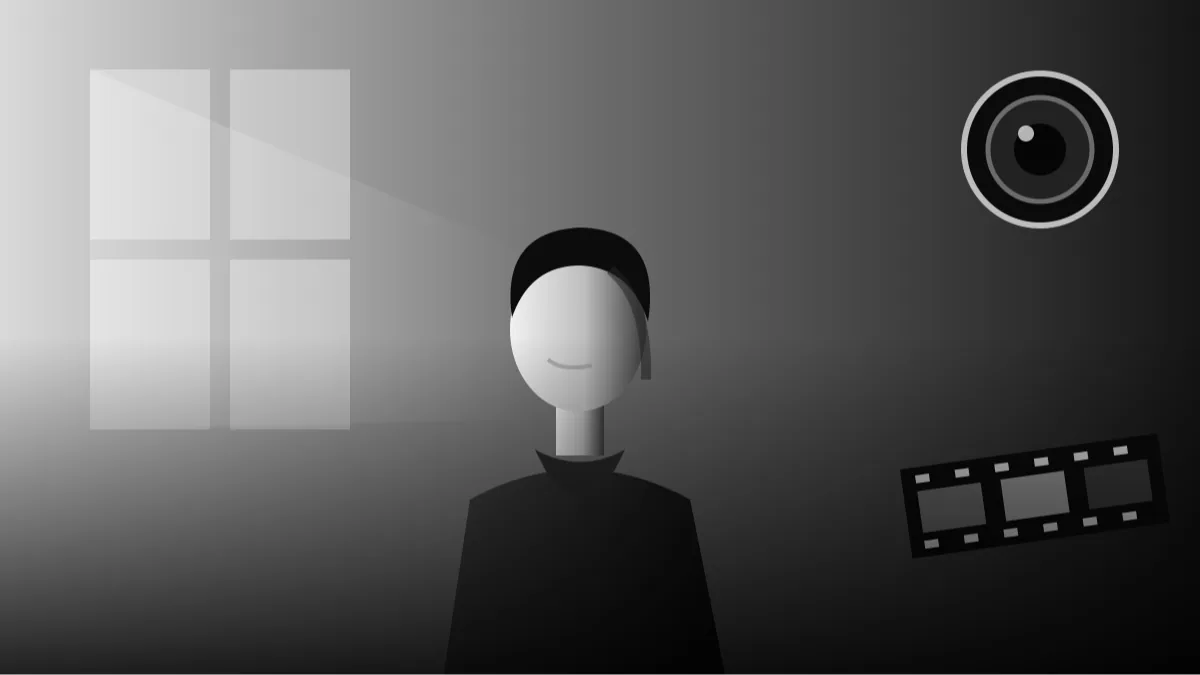
1. 1920s Studio Portrait
Use my attached photo and keep my face unchanged.
SUBJECT: me seated in a formal pose, slight serious smile.
OUTFIT: 1920s three-piece suit with a pocket square, or a drop-waist dress with a beaded headband, modest.
SETTING: studio with a painted backdrop and a small wooden chair.
LIGHT: soft window-like light, low contrast.
CAMERA: vintage large-format portrait, slight vignette.
STYLE: authentic black and white glass-plate photograph, fine cracks.
AVOID: modern items, text, harsh retouching.
Mention the plate or film type. It tells the tool to match the softness of that period.
2. 1950s Diner Memory
Use my uploaded photo with my face unchanged.
SUBJECT: me smiling over a milkshake at a counter.
OUTFIT: 1950s style polka dot dress or rolled-cuff jeans with a plain tee.
SETTING: bright diner with chrome stools and a jukebox, no readable signs.
LIGHT: soft flash and warm overhead lights.
CAMERA: 35mm snapshot, slightly tilted.
STYLE: faded Kodachrome colour, saturated reds and aqua.
AVOID: brand logos, readable menu text, other faces.
Kodachrome-like colour is the biggest hint to the 1950s feel.
3. 1960s Hill Station Holiday
Use my attached photo and keep my face unchanged.
SUBJECT: me laughing on a mountain road, hands in pockets.
OUTFIT: woollen sweater, high-waisted trousers or an Indian-style cardigan and scarf.
SETTING: misty hills with an old jeep parked on the road.
LIGHT: gentle diffuse daylight.
CAMERA: medium format look, soft focus at the edges.
STYLE: warm faded colour, matte blacks, slight film grain.
AVOID: modern signs, text, extra people.
Matte blacks are key: they make a new photo feel like a print kept in an album.
4. 1970s Disco Night
Use my uploaded photo and keep my face unchanged.
SUBJECT: me striking a playful pose with one hand up.
OUTFIT: wide-collar shirt and flared trousers, modest festive look.
SETTING: dance hall with a mirror ball and coloured spotlights.
LIGHT: warm orange and magenta spotlights, light haze.
CAMERA: 35mm, flash with warm colour cast.
STYLE: grainy seventies film, slight overexposure, lively colour.
AVOID: brand names, readable posters, crowd close ups.
A bit of haze in the air makes the spotlights look natural.
5. 1990s College Campus
Use my attached photo; keep my face unchanged.
SUBJECT: me sitting on a low wall with a backpack and a cassette player.
OUTFIT: oversized denim jacket and sneakers.
SETTING: college garden with a plain brick building.
LIGHT: afternoon sun, point-and-shoot flash fill.
CAMERA: compact camera snapshot, slight blur.
STYLE: 90s consumer film look, green-tinted shadows, date-stamp free.
AVOID: text, logos, real band posters, date stamps.
Point-and-shoot flash gives the characteristic slightly flat face and dark background.
6. 2000s Early Digital Selfie
Use my uploaded photo and keep my face unchanged.
SUBJECT: me taking a close selfie with a simple flip phone-style camera feel, friendly grin.
OUTFIT: striped tee and a light hoodie.
SETTING: bedroom with posters made of abstract shapes.
LIGHT: on-camera flash, a little harsh.
CAMERA: low resolution compact look, slightly soft.
STYLE: early digital camera colours, flat contrast, mild noise.
AVOID: phone brand logos, readable text, heavy filters.
Low resolution is the whole point. Do not ask for sharp 4K here.
7. 2050s Clean Future City
Use my attached photo with my face unchanged.
SUBJECT: me standing calmly on a transparent walkway.
OUTFIT: lightweight white and silver jacket with subtle glowing seams.
SETTING: green futuristic city with vertical gardens, quiet pods, bright sky.
LIGHT: clean daylight with soft reflections.
CAMERA: 35mm, wide, crisp.
STYLE: optimistic sci-fi photography, natural skin, no heavy effects.
AVOID: weapons, text, logos, robots with faces.
An optimistic future is more fun and also keeps the image family-friendly.
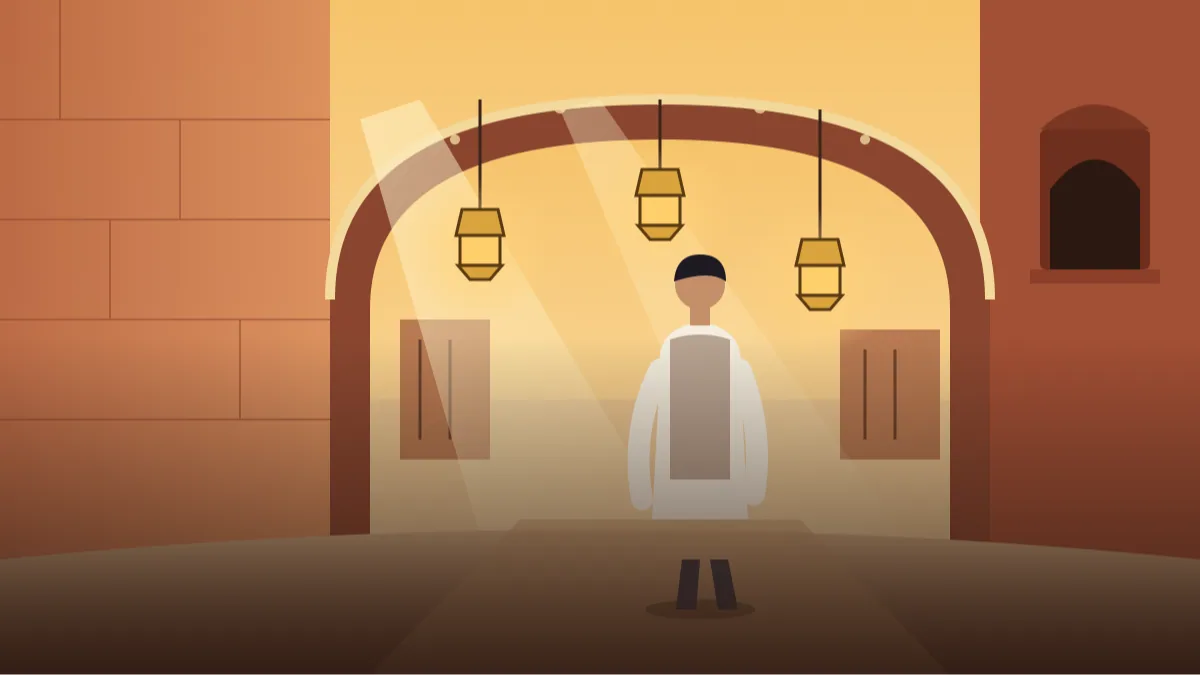
8. Ancient Kingdom Traveller
Use my uploaded photo and keep my face unchanged.
SUBJECT: me standing in a courtyard, dignified calm face.
OUTFIT: simple handwoven robes in earthy colours with a cloth sash.
SETTING: sandstone courtyard with carved pillars and a distant market.
LIGHT: strong warm sunlight, long shadows.
CAMERA: cinematic 50mm, subject centred.
STYLE: realistic historical film still, natural colour.
AVOID: weapons, real religious symbols, text, modern items.
General ancient costume is safer than naming a specific real culture or ruler.
One clear photo, one era: setting up a time travel portrait prompt
Choose a plain, front-facing photo. Paste the time travel portrait prompt and send it. If your hair looks too modern, add one line such as: adjust the hairstyle to match the era but keep my face the same.
Try the same era twice with a small change in the setting. You will quickly see how much the background affects the believability.
- Keep your face line in every prompt.
- Name the film type, not just the year.
- Modest, simple clothes make fewer mistakes.
Colour and camera feel: what each decade looks like
To get an ai photo in different decades that feels right, remember the look: 1920s monochrome and soft, 1950s bold colour, 1970s warm grain, 1990s flat flash, 2000s low-resolution digital. The camera decides the era as much as the clothes do.
Avoid modern phrases like 8K or ultra HD in the old-era prompts. They push the picture toward sharp digital style. Write 'soft focus, visible grain, matte blacks' instead.
For the 2000s, think of your first digital camera: small, slightly blurry, harsh flash, washed-out blues. Asking for 'early digital compact camera, low resolution look' gets that right more often than a year number does.
Mixed eras, ageing faces and costume slip-ups
Mixed eras are the most usual problem: a 1950s dress with a modern background. Say 'no modern objects' and name two or three period props, like a rotary phone or a wooden radio. Another problem is the face changing with age. Add 'keep my natural age'.
Historical costume can go wrong with details. Choose general descriptions and avoid real symbols or uniforms, which are easy to get wrong and can be disrespectful.
If the AI keeps giving you a modern haircut, describe it by shape: 'side-parted, oiled and combed back' or 'shoulder-length with a centre parting and flicked ends'. Era words alone are not always enough for hair.
How to tell if a time travel portrait prompt worked: background, film surface, hair, face
A good era picture is judged by what is missing as much as by what is there. Start with the background. If you see a glass-and-steel building behind a 1950s dress, or a modern bulb in a 1920s studio, the spell breaks at once. Ask for 'plain painted backdrop' or 'two period props only' and the picture usually improves.
Then look at the surface of the photo. Early studio portraits have very low contrast, a slightly soft centre and darker corners. Seventies prints are warm and a little overexposed. Nineties snapshots have flash on the face and dark, slightly green backgrounds. If your result looks crisp and glossy like a modern phone photo with a costume on, the colour and camera lines need to be stronger: 'soft focus, visible grain, matte blacks, no sharp digital detail'.
Check hair and glasses as well. Hairstyles are one of the biggest era clues, and AI often leaves your modern haircut. Add 'hair styled in the fashion of that decade, same hair colour and length'. Frames of spectacles also change with time, so mention round wire frames for the 1920s or large plastic frames for the 70s if you wear glasses.
Last, check your face. A time travel portrait prompt should change everything around you, not the person. If the face looks older or younger, reply with 'keep my natural age, only change styling'.
Futuristic and ancient portraits: why the two ends need extra care
Past decades have real photographs the AI has learned from. The far past and the far future do not, so the model fills the gaps with film-set clichés. For a futuristic portrait prompt, avoid silver jumpsuits and glowing blue eyes. A calmer idea works better: light natural fabrics, green terraces, quiet vehicles and daylight. Say 'optimistic, clean, natural skin, no heavy effects'.
For ancient or historical settings, stay general. Ask for 'simple handwoven clothing in earthy colours, sandstone courtyard, warm sun' rather than copying a particular royal outfit, uniform or religious dress. Real symbols and sacred clothing are easy to get wrong and can be disrespectful. This kind of historical costume portrait ai picture is a fantasy film still, not a history lesson, and it is fair to call it that when you share.
If the costume looks like fancy dress, lower the drama. Remove crowns, swords and dramatic poses. A calm face, plain clothes and a believable place always feel more real than a heavy costume.
A 1960s train journey to a hill town: reworking one prompt
Let us rework one prompt for a different story. Say you want a picture of yourself as a 1960s student on a train journey to a hill town. Keep the first line about your face. Replace the subject with 'me leaning from a window of an old train compartment, holding a steel tiffin box'. Change the outfit to 'cotton shirt with rolled sleeves, woollen vest' or 'cotton saree with a cardigan'.
Next, the setting: 'green wooden train seats, lush hills outside, no station signboards'. Keep the gentle daylight and the medium-format soft focus. Finally the avoid line: 'modern phones, branded bags, text, other passengers'.
You now have a personal scene with the same photographic feel. Run it twice and compare which background looks more natural. Often the second run is better because you tell ChatGPT what was wrong: 'less crowded, window frame should be wooden, colours more faded'.
Sharing a decade series without confusing anyone
A carousel works best with the same pose and framing in every era, because viewers enjoy spotting the changes. Keep the camera angle similar, and use a square or 4:5 crop for all of them. Put the year in your caption or on a simple text strip added in an app, not inside the AI image. Short captions like '1970s me, mostly flares' or 'Same face, five decades' work well. You can also make a family history post by doing the same for relatives, with their permission.
State clearly that the pictures are AI-made. Old-looking images can easily be mistaken for real archives, and this matters more when you use older relatives' photos. Ask permission before editing anyone else's picture, and avoid using the series to mock any group or culture.
Frequently Asked Questions
Can I pick any year?
Yes, but a decade works better than a single year, because the tool understands the general fashion and film style of a decade.
Why does my face look older?
Old photo styles can add age, especially with heavy grain and dark shadows. Include 'keep my natural age' and 'same skin tone as my photo' in the prompt, and reduce the grain strength if the face still looks tired.
Is it fine to share these as real old photos?
No. Please label them as AI-made. Presenting them as genuine historical photos would be misleading.
Can I do this with a group photo?
It is possible, but it gets harder to keep every face right. Start with single portraits.
Final Thoughts
Seeing your face in another century is surprisingly sweet. A careful time travel portrait prompt gives you the right clothes, colour and camera feel for each era, and the whole series makes a great carousel.
Start with the decade your grandparents would recognise, then step towards the future. If the retro mood hooks you, our other vintage and film-style prompts on Tech Boi Prompt are the natural next stop.
Note: AI image and text results vary by tool, version and settings. Use only your own photos, avoid copying real people’s likeness, and follow the terms of the AI tool you use.