Gemini Black and White Portrait Prompts for Boys
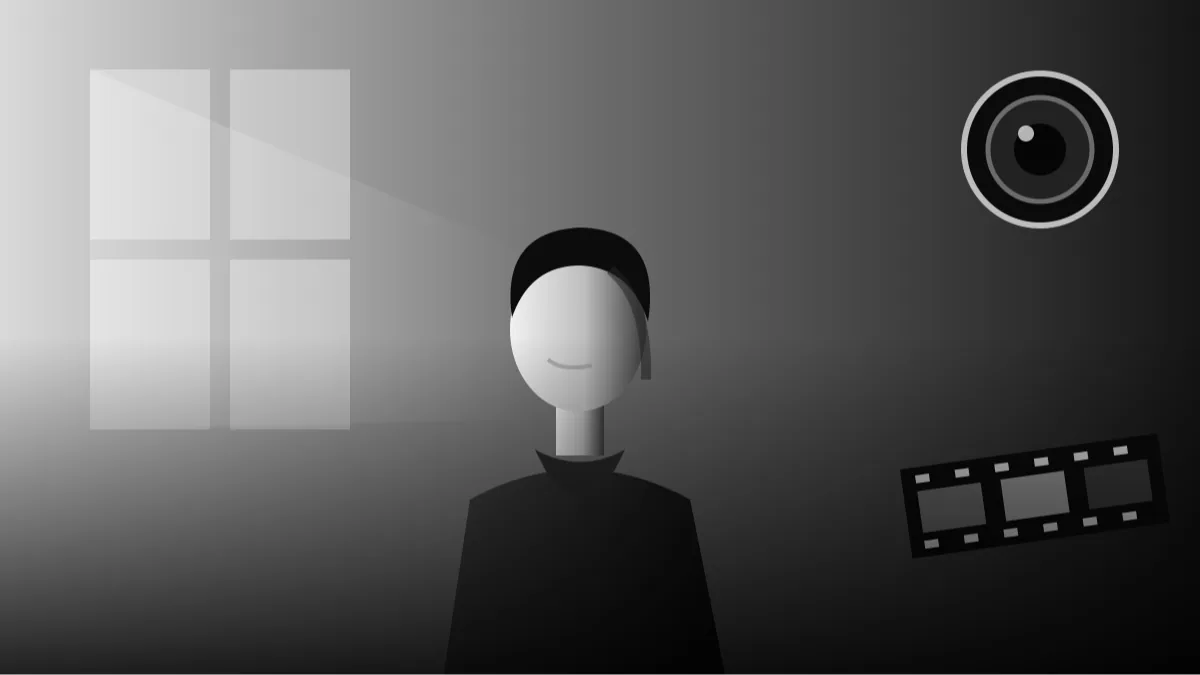 AI PHOTO PROMPTSBLACK & WHITE PORTRAIT BOYS8 COPY-PASTE PROMPTS
Black and white hides distractions and puts everything on the face, the light and the mood. Most photo lovers keep a monochrome folder for this reason. A good black and white portrait prompt boys can use does not just say 'make it black and white'. It describes where the light falls, how deep the shadows go and what kind of grain the picture should carry.
We built these eight prompts around real photography habits: one soft window light, a hard side light, a backlit silhouette edge and a flat cloudy day. Each of them works with your own uploaded selfie, and each tells Gemini to leave your face as it is.
Try them in order. The first two are safest; the later ones are more dramatic and may need a retry or two to get the shadows right.
- Copy-Paste Prompts
- Colour selfie in, monochrome out: using a black and white portrait prompt boys way
- Light direction and contrast: the two words that decide the mood
- Waxy skin, leftover tint and dull eyes: quick fixes
- Where to use black and white portraits: DP, cover photo or a framed print
- Squint test: how to judge a black and white portrait prompt boys result
- Three ways to change the window light classic
- Why does my gemini b&w photo edit look cheap?
- Posting a monochrome set, and printing it
- FAQs
Copy-Paste Prompts: Black And White Portrait Prompt Boys (8 Ready Ideas)
1. Window Light Classic
SUBJECT: Use my uploaded photo, keep my face, hair and expression exactly unchanged, looking toward the light.
OUTFIT: Plain dark crew-neck sweater.
SETTING: Bare wall in a quiet room, soft window shadows falling across it.
LIGHT: Single soft window light from the left, shadow side fading gently, small catchlights in the eyes.
CAMERA: 85mm, head-and-shoulders, sharp eyes, shallow depth of field.
STYLE: Black and white, medium contrast, fine film grain.
AVOID: Blown highlights, heavy skin smoothing, colour tint.
This is the easiest base. Keep it for your DP and try variations from here.
2. Hard Side Light Drama
SUBJECT: My attached photo, face unchanged, serious expression, chin slightly down.
OUTFIT: Black shirt with open collar.
SETTING: Dark empty background.
LIGHT: Hard light from the right at 90 degrees so half of the face is in deep shadow, subtle detail still visible in the dark side.
CAMERA: 85mm, tight chest-up, sharp skin texture.
STYLE: Black and white high-contrast portrait, dramatic.
AVOID: Total black on the shadow side, plastic shine, extra highlights.
A high contrast portrait for boys needs the line about shadow detail, otherwise one half of the face disappears completely.
3. Rain Window Reflection
SUBJECT: Uploaded photo of me, face unchanged, resting my head lightly against a window, eyes looking out.
OUTFIT: Light hoodie, hood down.
SETTING: Window with raindrops, blurred street lights outside.
LIGHT: Soft grey daylight with tiny bright dots of blurred lamps.
CAMERA: 50mm, side profile close-up, focus on face with raindrops softly blurred.
STYLE: Quiet black and white mood, light grain.
AVOID: Readable signs, face covered by glare, cartoon rain.
Works nicely as a moody monochrome selfie to match a sad-song or late-night caption.
4. Backlit Outdoor Rim
SUBJECT: My own photo, face unchanged, standing in an open field looking at the camera.
OUTFIT: Light linen shirt with sleeves rolled.
SETTING: Open field with a low horizon and soft sky.
LIGHT: Strong sun behind me, bright rim light on hair and shoulders, face lit by soft reflected light.
CAMERA: 50mm, waist-up.
STYLE: Black and white, airy highlights, gentle contrast.
AVOID: Face in complete silhouette, harsh halos, dust specks.
If the face goes too dark, repeat 'soft fill on the face' in the follow-up message.
5. Street Candid Film Look
SUBJECT: Attached selfie as reference, face unchanged, walking and glancing sideways.
OUTFIT: Dark overcoat, scarf, jeans.
SETTING: Old narrow lane with textured walls and a bicycle leaning in the blur.
LIGHT: Flat cloudy daylight.
CAMERA: 35mm, three-quarter body, slight motion, handheld feel.
STYLE: Classic black and white street photography, visible film grain.
AVOID: Text, modern logos, heavy sharpening.
A film grain portrait prompt looks better when grain is described as 'fine and natural' rather than 'heavy noise'.
6. Minimal Studio Head Turn
SUBJECT: Use my uploaded photo, face unchanged, head turned about 30 degrees, eyes to camera.
OUTFIT: Plain white tee.
SETTING: Light grey seamless studio backdrop.
LIGHT: Large soft light from front-top, gentle shadow under the chin.
CAMERA: 85mm, close chest-up, perfect focus on the eyes.
STYLE: Clean black and white fashion portrait, balanced contrast.
AVOID: Heavy smoothing, background gradients with banding, jewellery.
Light-grey backdrops convert into soft greys that flatter most skin tones.
7. Smoke-Free Dark Cinema
SUBJECT: My attached photo, face unchanged, looking down then up at the camera, calm.
OUTFIT: Dark jacket with a high collar.
SETTING: Dark room with a single narrow beam of light crossing the face.
LIGHT: Narrow strip light across the eyes, rest of the face softly visible.
CAMERA: 70mm, tight crop, shallow depth of field.
STYLE: Cinematic black and white, rich blacks, subtle grain.
AVOID: Smoke, fog, weapons, glowing eyes, text.
The narrow light needs a gentle fill or the whole picture turns almost black.
8. Sunny Terrace Laugh
SUBJECT: Uploaded photo of me, face unchanged, laughing naturally with eyes crinkled.
OUTFIT: Light checked shirt, top button open.
SETTING: Sunny terrace with a plain white wall and a few blurred plants.
LIGHT: Bright midday sun softened by a thin cloud, natural shadows.
CAMERA: 50mm, chest-up.
STYLE: Warm-feeling black and white, medium contrast, clear skin texture.
AVOID: Clipped whites, fake teeth, exaggerated expression.
Black and white does not have to be sad. A real laugh makes it feel alive.
Colour selfie in, monochrome out: using a black and white portrait prompt boys way
Upload a clear colour selfie. Starting with a colour picture gives Gemini better skin and hair information than a photo that is already grey. Then paste the full prompt and send it.
Check the eyes, the shadow side of the face and the highlights on the forehead. If anything is blown out, reply with 'lower the highlights, keep the same face and pose'.
Also check that the selfie is not cropped too tight. Leave a little space above the head and around the shoulders, so the tool has room to build the framing you ask for.
Light direction and contrast: the two words that decide the mood
In monochrome, light direction does all the storytelling. Soft side light gives gentle shape, hard side light gives drama, and flat cloudy light gives a documentary feel. Choose one at a time.
For a monochrome photo prompt, say how deep the blacks should be. 'Rich blacks with shadow detail' is much better than 'dark'. Also mention contrast level: low, medium or high.
A small habit that helps: decide the mood before you pick the prompt. Calm and clean means soft window light. Serious and filmy means hard side light with a little grain. Casual and friendly means flat cloudy light.
- Medium contrast suits everyday profile pictures.
- High contrast suits dark outfits and short hair.
- Fine grain adds a film feel without hiding your face.
Waxy skin, leftover tint and dull eyes: quick fixes
Skin often turns waxy in black and white because the model smooths it. Add 'visible pores, natural skin texture' to the style line. Another common problem is a leftover colour tint, which looks like a faint blue or brown cast. Add 'pure neutral monochrome' to the avoid list.
If your eyes look dull, request 'small catchlights in the eyes'. It is the cheapest trick for a lively portrait. If beard or stubble turns into a dark patch, write 'visible hair texture'.
Dark hair against a dark wall also merges easily. Ask for a slightly lighter, plain grey backdrop and the head shape will separate cleanly.
Where to use black and white portraits: DP, cover photo or a framed print
These work great as a black and white dp prompt result, a profile cover or a printed frame for your room. A gallery of three portraits in the same tone looks very sharp on a profile grid.
Pair them with plain captions: a single word, a date or a line you wrote yourself. Avoid quoting full song lyrics in your posts, because they belong to the writers.
For a WhatsApp or Instagram DP, crop close so the eyes stay readable at thumbnail size. For a printed frame, ask for a vertical picture with a little space around the head, and check the file at full size before printing.
Squint test: how to judge a black and white portrait prompt boys result
A good monochrome portrait has structure. Squint at the image for a moment. You should see three zones: a bright area, a middle grey area and a dark area, and the face should sit mostly in the first two. If the whole image looks like one grey wash, contrast is too low. If your cheeks and forehead are white patches with no skin detail, highlights are blown.
Now check the parts of a boy's face that AI often changes. Look at the jawline and chin: it should be the same strength as in your colour photo, not sharpened into a model's jaw. Look at facial hair, including light stubble or a moustache, which can vanish or get overdrawn. Look at the eyebrows, whose thickness and shape tell your friends it is you. Check the hair edge too, because dark hair against a dark backdrop can melt into a solid block.
Eyes matter most. A tiny bright catchlight in each eye gives life. Both catchlights should sit in the same place, since one light source makes one reflection. If one eye has a dot at the top and the other at the side, ask Gemini for 'matching catchlights from a single light'.
Lastly, compare with your upload. If you can say 'that is me on a good day', keep it. If you say 'that is my cousin', retry with a stronger face-keeping line.
Three ways to change the window light classic
Because the first prompt is simple, it is perfect for experiments. Change only one idea at a time, and you will learn what each word does.
To make it look like a vintage film portrait, change the style line to 'soft contrast, lifted blacks, slightly faded look, visible but fine grain' and the outfit to a plain collared shirt. You get a gentle old-photo feel that suits a DP. To make it more modern and sharp, say 'crisp detail, deep blacks, minimal grain' and ask for a hoodie instead of the sweater.
To fit a black and white dp prompt for a small circle, move the framing: 'face filling two thirds of the frame, centred, plain dark background'. At phone size the eyes need to stay readable, so crop close. For a full-length street version, switch to 35mm, add 'walking past a plain wall', and lower the contrast a little so details in jeans and shoes do not vanish.
Each version keeps the same SUBJECT line with 'face unchanged'. That line is your safety net, so never remove it while experimenting.
Why does my gemini b&w photo edit look cheap?
A gemini b&w photo edit looks cheap when it is only a desaturated version of a colour image. Signs are flat greys, harsh white skin and muddy shadows. The cure is to tell Gemini what kind of light you want, so it can rebuild the picture, not just remove colour.
If the image is too flat, add 'deeper blacks, brighter highlights, clear separation between face and background'. If it is too harsh, add 'soften the contrast, protect highlights on the forehead'. If the beard looks like a black patch, ask for 'visible hair texture in the beard'. If grain looks like digital noise, replace 'noisy' with 'fine natural film grain, evenly spread'.
Glasses can cause trouble because reflections turn into white blobs. Add 'soft reflection on the lenses, eyes visible behind them'. For dark skin tones, protect the mid-tones with 'rich mid-tones, highlights on the cheekbones, no crushed shadows', so that features do not disappear. For lighter skin, ask to keep highlights from turning paper-white.
Posting a monochrome set, and printing it
A black and white image carries its own mood, so keep the captions short and plain. For a grid, post three images in the same contrast level and grain, one close portrait, one half-body and one candid, so your profile looks like a series.
If you plan to print, ask Gemini for a vertical image with a little space around your head. Matt paper suits fine grain. Be open that the pictures are AI-edited, and only use your own face. Never apply these prompts to another person's photo without their permission.
Frequently Asked Questions
Should I upload a black and white photo or a colour one?
Colour is better. It gives Gemini more accurate skin tone and hair detail, and it then converts that into proper greys.
Why does my face look smooth like plastic?
The tool is over-smoothing. Add 'natural skin texture, visible pores' and avoid words like flawless or perfect.
Can I make the picture a little warm instead of pure grey?
Yes. Add 'very slight warm tone' to the style line and keep it subtle, otherwise it slides into a full sepia look. If you want your pictures to match your grid, use the same tone word in every prompt.
What outfit works best in black and white?
Textured fabrics like wool, denim and linen show better than glossy ones. Plain colours without prints also look cleaner.
Final Thoughts
With the right black and white portrait prompt boys can use, you get an image that feels like it came off a film roll: honest light, deep shadows and a face that is clearly theirs.
Start with the window light prompt, then try the hard side light when you feel confident. If you want something lighter, the Sunny Terrace Laugh shows that monochrome can be happy too, and our other portrait prompts on Tech Boi Prompt are a good next stop.
Note: AI image and text results vary by tool, version and settings. Use only your own photos, avoid copying real people’s likeness, and follow the terms of the AI tool you use.