AI Royal Maharaja Portrait Prompts
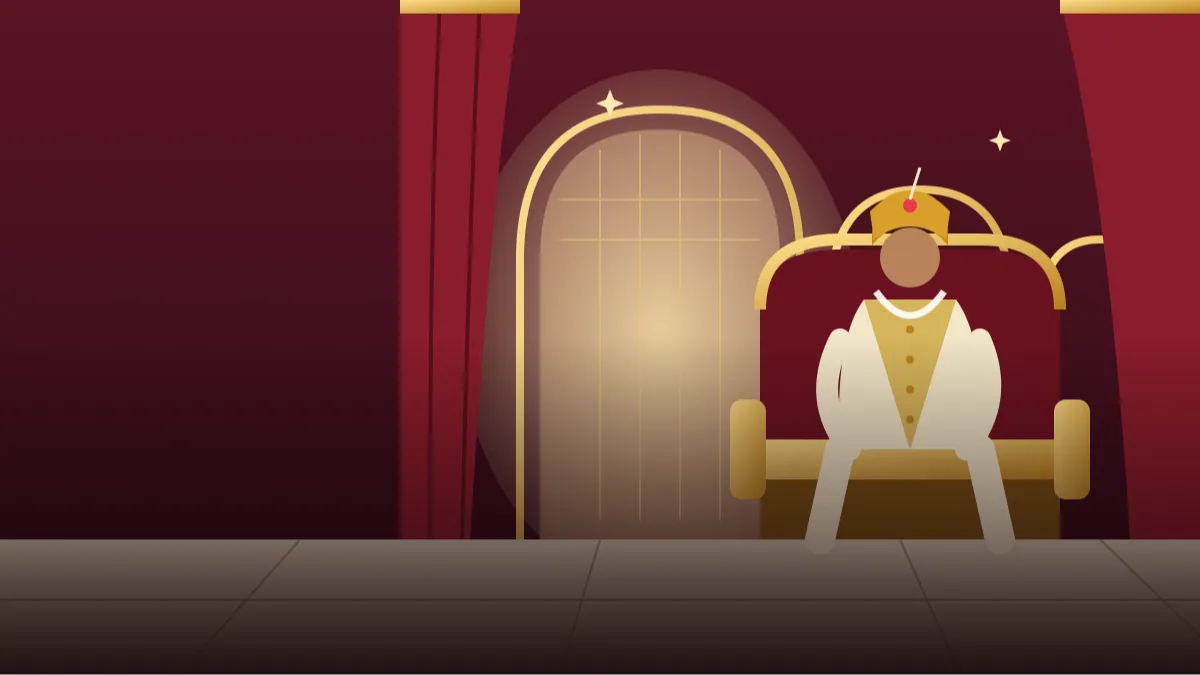 AI PHOTO PROMPTSAI ROYAL MAHARAJA PORTRAIT8 COPY-PASTE PROMPTS
Royal portraits from Indian palaces have a unique richness: deep colours, heavy brocade, jewelled turbans and a calm, proud posture. A carefully built maharaja portrait prompt lets you try that grandeur with your own photo, without leaving your room.
The eight prompts below are written for Gemini and ChatGPT image tools. Upload a clear photo, ask the AI to keep your face unchanged and let it dress you in regal clothes and place you in a palace setting. We describe the attire and architecture in general terms, without naming real royal families or real palaces.
Royal looks depend on small details. The way the turban is wrapped, the embroidery, the soft glow of lamps in the background: all these are worth mentioning, and we have done that for you.
- Copy-Paste Prompts
- Which photo should you upload for a maharaja portrait prompt?
- Sherwani, achkan, safa: the clothing and palace words that matter
- Jewellery blobs and messy turbans: where the picture goes wrong
- Where can you use a royal portrait? Birthdays, anniversaries and heritage themes
- Reading your maharaja portrait prompt result: fabric, posture and palace detail
- Three ways to vary the same palace portrait
- Gemini or ChatGPT for a palace portrait? Which tool for which look
- FAQs
Copy-Paste Prompts: Maharaja Portrait Prompt (8 Ready Ideas)
1. Throne Room Portrait
Use my attached photo and keep my face unchanged.
SUBJECT: me seated on a carved wooden throne, upright posture, calm gaze.
OUTFIT: ivory and gold brocade sherwani, silk turban with a plain jewelled brooch, layered pearl necklace.
SETTING: palace hall with arches, marble floor and heavy velvet drapes.
LIGHT: warm window light from the side, soft fill.
CAMERA: 85mm portrait, full-length, slight low angle.
STYLE: realistic royal portrait, rich detail, natural skin.
AVOID: text, crests, real family emblems, extra people.
A plain brooch keeps things original. No real crests, which belong to real families.
2. Courtyard at Golden Hour
Use my uploaded photo with my face unchanged.
SUBJECT: me standing with hands clasped behind, looking toward the camera.
OUTFIT: deep maroon achkan with gold buttons, saffron turban with a trailing end.
SETTING: sandstone palace courtyard with a lattice screen and a small fountain.
LIGHT: low golden sun, long soft shadows.
CAMERA: 70mm, three-quarter body.
STYLE: cinematic heritage photography, warm tones.
AVOID: crowd, text, modern items, logos.
Golden hour does most of the work. Ask for long soft shadows to add depth.
3. Lakeside Palace Balcony
Use my attached photo; keep my face unchanged.
SUBJECT: me leaning gently on a balcony ledge, smiling softly.
OUTFIT: royal blue bandhgala with embroidered collar, pastel pink turban.
SETTING: white marble palace balcony overlooking a calm lake with distant hills.
LIGHT: soft morning haze, bright but diffuse.
CAMERA: 50mm, medium shot, lake blurred behind.
STYLE: dreamy travel-editorial look, gentle colour.
AVOID: boats with text, other tourists, logos.
Pastel turbans look elegant in morning light and make a nice change from deep reds.
4. Royal Horse Stable
Use my uploaded photo with my face unchanged.
SUBJECT: me standing next to a calm white horse, one hand on its neck.
OUTFIT: emerald green long coat, matching turban, riding boots.
SETTING: palace stable arches with hay and brass lamps.
LIGHT: soft side light, warm bounce from sand floor.
CAMERA: 50mm, full body, horse partly in frame.
STYLE: refined heritage portrait, true-to-life colour.
AVOID: harsh reins, distressed animals, text, extra riders.
A calm horse gives scale and character. Mention gentle and calm to avoid odd anatomy.
5. Durbar Hall Moment
Use my attached photo and keep my face unchanged.
SUBJECT: me seated on cushions, holding a ceremonial sword sheathed on my lap, relaxed expression.
OUTFIT: gold-threaded cream angarkha, red turban, subtle jewellery.
SETTING: grand hall with painted ceiling, hanging lamps and carpets.
LIGHT: warm lamp glow with soft shadows.
CAMERA: 70mm, eye level.
STYLE: opulent painted-interior photograph.
AVOID: drawn weapons, text, courtiers' faces, logos.
A sheathed sword is enough for a royal feel. Keep any weapons peaceful and non-threatening.
6. Miniature Painting Style
Use my uploaded photo with my face recognisable.
SUBJECT: me in side profile, holding a lotus flower.
OUTFIT: richly patterned jama and turban in jewel tones.
SETTING: flat decorative garden with stylised trees, birds and a scalloped arch.
LIGHT: flat painted lighting.
CAMERA: square, centred profile.
STYLE: traditional Indian miniature painting, fine linework, mineral colours, ornate border.
AVOID: text, photorealism, modern items, deity depictions.
Miniature art is flat on purpose. Use it when you want art instead of a photo.
7. Evening Lamp-Lit Courtyard
Use my attached photo and keep my face unchanged.
SUBJECT: me walking along a corridor of arches, glancing back.
OUTFIT: black sherwani with gold embroidery, ivory stole, simple turban.
SETTING: palace corridor with rows of oil lamps and carved pillars.
LIGHT: dozens of tiny lamp flames, deep warm shadows.
CAMERA: 35mm, slightly low, leading lines through the arches.
STYLE: cinematic night portrait, rich dark tones.
AVOID: smoke covering the face, text, logos.
Leading lines from the arches pull the eye straight to you.
8. Festive Terrace Greeting
Use my uploaded photo with my face unchanged.
SUBJECT: me smiling warmly, hand raised in a gentle greeting.
OUTFIT: festive turquoise sherwani with silver embroidery and a feathered turban pin.
SETTING: palace terrace with marigold garlands and floating lanterns.
LIGHT: dusk blue sky with warm lantern glow.
CAMERA: 50mm, waist-up.
STYLE: celebratory heritage portrait, rich yet natural colours.
AVOID: religious figures, text, other people, logos.
A warm greeting gesture makes the portrait friendly, not stiff.
Which photo should you upload for a maharaja portrait prompt?
Choose a straight-on photo with an even light and no cap or sunglasses. Paste the maharaja portrait prompt in Gemini or ChatGPT after attaching it. Look at the first output for the face, the turban and the background.
If the turban seems messy, ask for a neatly wrapped turban with a clean folded edge. If the face drifts, repeat the keep-my-face line.
- Beard and moustache help the royal look but keep them as in your photo.
- Ask for jewel tones: emerald, ruby, sapphire, gold.
- Keep jewellery simple to reduce odd shapes.
Sherwani, achkan, safa: the clothing and palace words that matter
Vocabulary helps. Words like sherwani, achkan, bandhgala, angarkha and safa all point to different cuts. Used with a palace setting such as carved sandstone, jharokha windows and marble floors, they make a royal rajasthani portrait ai image more convincing.
Texture is also key: brocade, zari embroidery and silk have a sheen that you should mention in the prompt. Write 'ivory silk achkan with fine gold zari border' instead of just 'royal dress'. For the background, one line such as 'sandstone arches, carved window, soft lamp glow' is enough. Naming a style of architecture works better than listing every pillar and fountain.
Jewellery blobs and messy turbans: where the picture goes wrong
Too much jewellery can turn into a messy blob. Name one necklace and one brooch, not ten pieces. If you want a pearl string, say 'single layer pearl string, evenly spaced beads', because the AI often fuses layers together.
The turban is another sensitive area: mention its colour and a simple wrap, such as 'deep maroon safa, neat folds, one small brooch at the front'. Please do not name an actual royal family or claim a title. This is just a fun portrait style, and we should present it that way.
Where can you use a royal portrait? Birthdays, anniversaries and heritage themes
A regal portrait suits a birthday invite, a wedding anniversary post, a heritage-themed event poster or a cultural festival. Try a sherwani and turban photo prompt look for a groom-to-be post, with a caption like 'Feeling royal for a day'.
Keep captions playful and respectful. It is a costume portrait, not a statement about real history. If you are making it as a gift for a parent or grandparent, show them first and ask if they like the clothes you picked, since some families have strong feelings about turban colours and styles.
Reading your maharaja portrait prompt result: fabric, posture and palace detail
Once the picture arrives, judge it like a heritage photographer would. Start with the fabric. Real brocade shows tiny repeating patterns and a slight shine where the light hits, while AI fabric sometimes looks like a flat printed sticker. Check where the turban meets the forehead: the cloth should wrap in neat layers with one tucked end, not a smooth helmet. A good maharaja portrait prompt result also keeps the buttons and collar of the sherwani consistent on both sides.
Posture matters too. Royal portraits usually show an upright back, calm eyes and hands resting lightly on a sword hilt substitute, a cushion or the lap. The AI often hides hands or bends them oddly, so choose poses where they are naturally placed. Last, look at the architecture. Arches should be symmetrical, jharokha windows should have believable carving, and marble floors should reflect softly, not like a mirror.
- Fabric has fine patterns and soft shine
- Turban wraps in tidy layers
- Sherwani collar and buttons are symmetrical
- Hands rest naturally or stay out of frame
- Arches and carvings are even
Three ways to vary the same palace portrait
Start with the Throne Room Portrait. For a gentler look, change the setting to "sun-washed courtyard with white marble pillars" and the clothing to an ivory achkan with a pastel safa. For a darker, richer mood, choose "evening lamps, deep maroon walls, gold embroidery" and ask for "warm candle-like glow on the face". For a modern spin, ask for "clean bandhgala in navy with one small brooch, minimal palace background". Each change takes only one line.
If you prefer a painting style, the Miniature Painting prompt can be mixed with any of these: add "flat colours, fine borders, pattern-filled background". A royal rajasthani portrait ai image in miniature style looks very different from a photographic one, so try both and decide which suits your wall or your profile. Women can use the same prompts with a lehenga, odhni or a saree and jewellery in place of the sherwani, keeping the palace setting.
Gemini or ChatGPT for a palace portrait? Which tool for which look
Gemini often gives warmer, painterly palace colours, while ChatGPT tends to follow long clothing lists more strictly. This can change with updates, so treat it as a tip, not a rule. If one tool misses your turban colour, try the other, or shorten the prompt. A palace portrait prompt for gemini works best when it names one location, one outfit and one light. Overloading it with ten palace features gives a cluttered picture.
Whichever you use, respect the culture you are borrowing from. Avoid religious symbols, deity images or battle scenes, and avoid portraying real royal families or named historical figures. Keep it as a dress-up portrait, enjoy it for what it is, and when you share, say it was made with AI.
A practical note on printing: ask for a tall frame and plenty of clear space above the turban, because many tools crop the top of the head when the picture is saved in a different ratio. If you want a framed print for a family wall, generate the largest size the tool offers and have a local print shop check the resolution before ordering.
Finally, give yourself permission to retry. A first attempt rarely has the perfect jewellery, and changing just the necklace line often fixes it in one more try.
Frequently Asked Questions
Is it respectful to try this style?
Yes, when done with care. Treat the clothing as heritage art, avoid religious figures, and do not claim real titles.
Can women use these prompts?
Of course. Change the outfit line to a royal lehenga, a brocade saree or a long jacket, and the turban to a jewelled headpiece.
Why do the hands look strange?
Hands are hard for AI. Choose poses with hands clasped, on a ledge or holding a single prop.
Can I print the picture?
Yes, for personal use. Pick the highest resolution your tool gives and print on good quality paper.
Final Thoughts
A royal portrait is a lovely way to enjoy India's rich visual heritage with a modern tool. A clear maharaja portrait prompt helps you get the clothes, the light and the palace feeling right.
Pick the Courtyard at Golden Hour for your first try because it forgives small mistakes in jewellery. If you like heritage fashion, the traditional lehenga photo prompts follow a similar way of describing fabric and colour.
Note: AI image and text results vary by tool, version and settings. Use only your own photos, avoid copying real people’s likeness, and follow the terms of the AI tool you use.